
Many students say math is the subject they fear the most. Not because they never understood numbers, but because at...

Best Educational Movies for Students That Actually Teach Something
If you’re using educational movies for learning, decide on the skill you want to learn first. One skill. Problem-solving, literacy, or decision-making. Then you choose the film that makes that skill unavoidable.
This list from our team at Edubrain.ai is for classes and families, including high school students. It’s also for anyone who keeps searching “movies about education” and ends up with a random list that doesn’t translate into an actual lesson.
Most of these picks are based on true stories (or tightly grounded in real-life cases), because students usually take them more seriously when the stakes feel real.
Table of Content
ToggleHow we picked these educational movies (fast criteria)
- Accuracy: scientific principles and significant historical beats aren’t wildly off.
- Usability: you can attach a task without inventing a whole unit.
- Clip-friendly: 10-15 minutes of footage can still work.
- Student fit: the pacing and themes match your group, not your nostalgia.
- Follow-through: there’s a clean way to measure whether anyone learned something.
Best educational movies: quick picks table
| Movie | Best for | Key angle | Fast assignment |
|---|---|---|---|
| Apollo 13 | STEM + decisions under pressure | constraints + teamwork | option-ranking table |
| Hidden Figures | math + history | women at nasa + barriers | “barrier map” worksheet |
| Stand and Deliver | study habits | learn calculus under pressure | 7-day practice plan |
| A Beautiful Mind | psychology + math | a brilliant mind + costs | “movie vs facts” check |
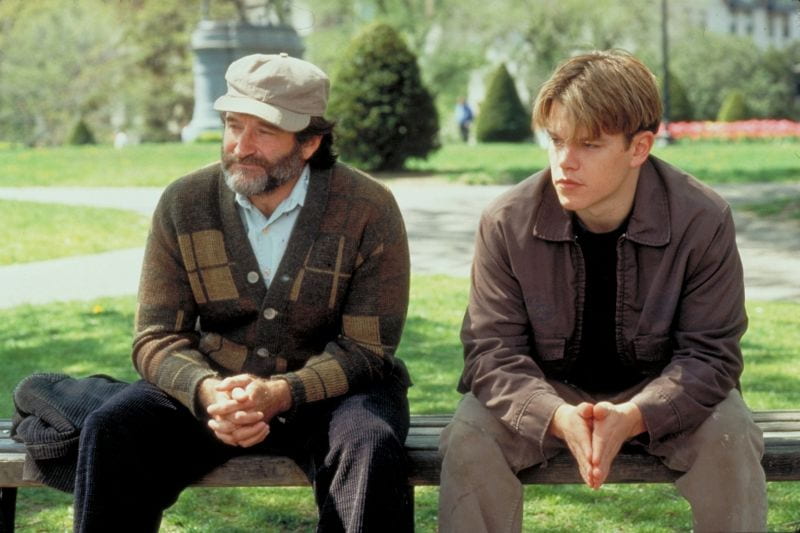
| Good Will Hunting | writing + motivation | talent vs avoidance | 150-word reflection |
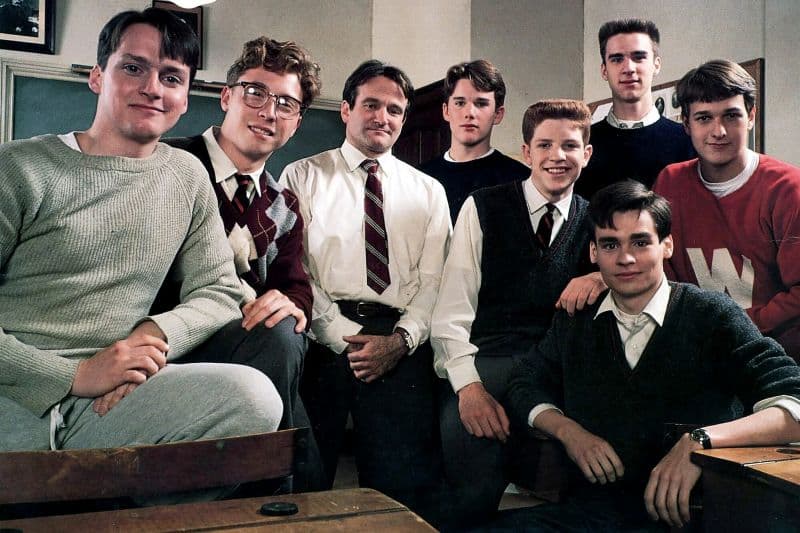
| Dead Poets Society | literature | poetry + self-expression | 10-line statement |
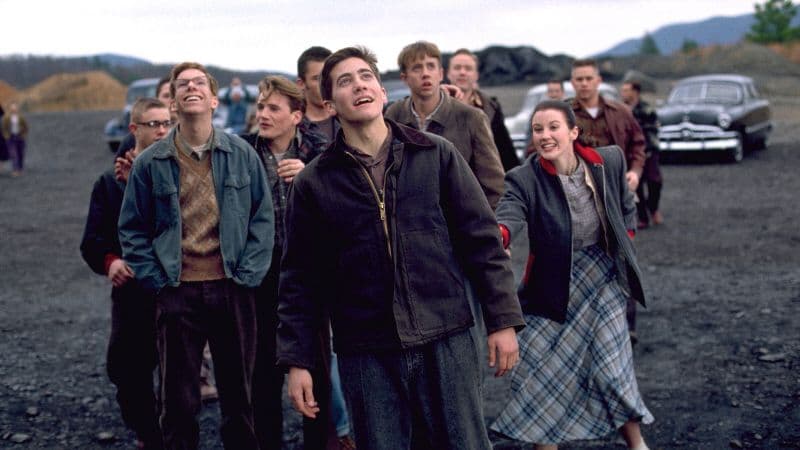
| October Sky | science practice | iterative engineering | one-variable experiment |
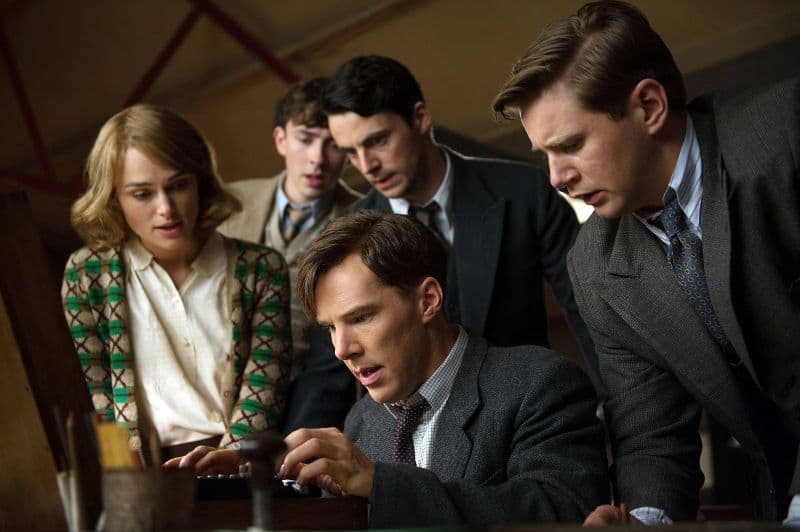
| The Imitation Game | computing + trade-offs | consequences + secrecy | two-sided argument notes |
| Interstellar | physics curiosity | space exploration | “Science behind” claims list |
| Freedom Writers | classroom culture | at-risk students + reading | short evidence-based journal |
1) Apollo 13
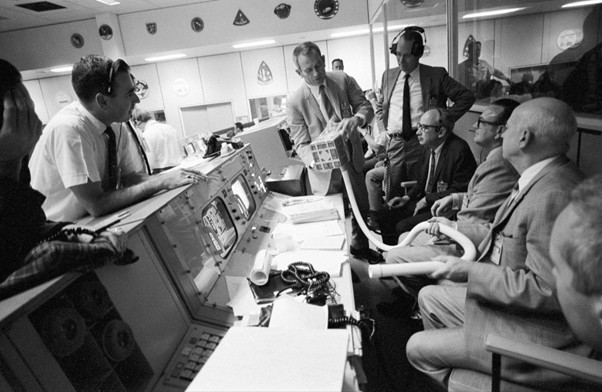
Apollo 13 is a true story that makes constraints visible: power, oxygen, and time. Students don’t need a lecture to see why structure matters. The film highlights how teams work when they can’t “wait for perfect.”

Movie highlights
- limited resources
- fast iteration
- roles and accountability
Do this right after viewing
- Students fill a decision table: option → risk → benefit → why it wins.

- Add one line: “What did the astronaut team do first, and why?”
(Quick note: “astronaut” isn’t a vibe word here. It’s a job with rules and failure modes.)
2) Hidden Figures
This is where math is not abstract. It’s a tool. Set in the 1960s, the film portrays African American women doing high-level work while navigating institutional friction. Add one more thing: the movie also provides a clean entry point into the culture of science and engineering.

Do this right after viewing
- “Barrier map”: write down what blocked progress (policy vs people).
- Then, what changed the outcome: data, alliances, or persistence?
3) Stand and Deliver
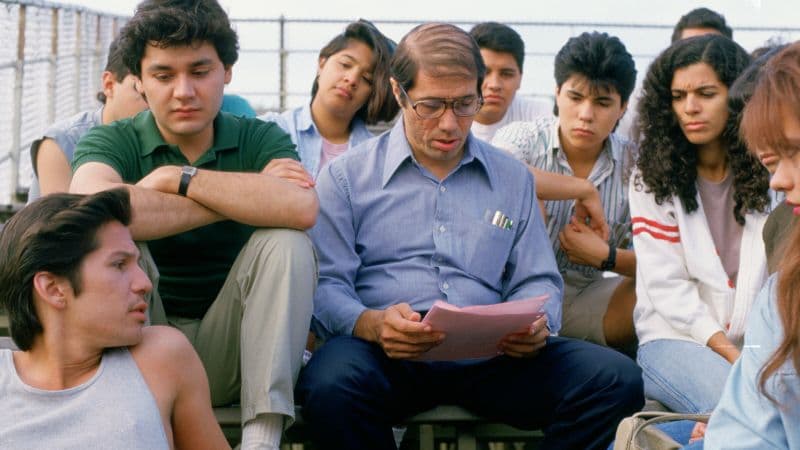
Stand and Deliver is literally the story of Jaime Escalante. He’s a math teacher who pushes hard on routines and expects students to show their work. The teaching methods are strict, but the point isn’t “be tough.” It’s: practice becomes visible, then it becomes repeatable.

If your goal is to excel in calculus, this is one of the few films where the learning is the plot.
Do this right after viewing
- Students build a 7-day plan to learn calculus:
- day-by-day time blocks (short)
- one retrieval quiz per day
- one peer check
- Bonus prompt: Who is the “star student” in the room, and what habits make that true?
4) A Beautiful Mind

A Beautiful Mind is a biopic about John Nash, a mathematician. Use it carefully: you can talk about mathematics and also talk about mental illness without turning it into gossip. Keep it grounded.
Also: “genius” is not the lesson. The work is.
Do this right after viewing
- “Fact vs drama” list: 3 claims to verify from reputable sources.
- One prompt: What does a mathematical model simplify, and what does it miss?
(If you need the phrase: yes, it’s a “mathematical genius” story. But don’t teach the myth version.)
5) Good Will Hunting
This one is useful because the obstacle isn’t a lack of ability. It’s avoidance. You can run it as a writing lesson without overcomplicating it.

There’s also a clean class discussion about status and opportunity (Harvard sits in the background the whole time), but keep it practical, not preachy.
Do this right after viewing
- 150-word reflection: “What do I avoid because I might fail?”
- One line: what would “overcome” look like this week, specifically?
(He reads like an outcast sometimes. That’s the point: belonging is a skill too.)
6) Dead Poets Society

A boarding school setting, poetry as a tool, and students trying to claim voice. The best use is not “be free.” It’s: write → revise → defend choices. That’s self-expression with proof.
Do this right after viewing
- 10-line statement: what you value and why.
- Ask for one concrete example of that value in action.
7) October Sky

This is a real-life STEM pick where “engineer” becomes concrete: define a problem, test, adjust, repeat. It’s not glamorous. That’s why it works.
Do this right after viewing
- Run a one-variable rocket test (paper rocket): angle vs distance.
- Students showcase results in a tiny data table + 3-sentence takeaway.
8) The Imitation Game
Good for computing history and trade-offs. You can run a clean debate here without turning it into a moral speech.

Use a single ethics check, once: what’s allowed when consequences are massive, and information is incomplete?
Do this right after viewing
- Two columns: justified / not justified. Evidence only.
- One sentence: what did the engineer’s mindset optimize for—speed, certainty, or impact?
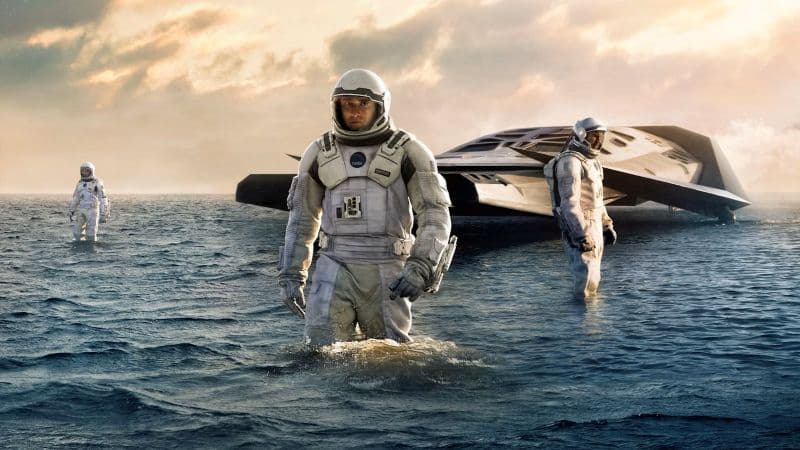
9) Interstellar

Interstellar is strong as a launchpad, not as a documentary that highlights only spectacle. Treat it like a claim generator. Students write down what the film says, then sort it into plausible, unclear/wrong.
Do this right after viewing
- “Science behind” list: claim → evidence → uncertainty.
- One prompt: What would you measure to be confident?
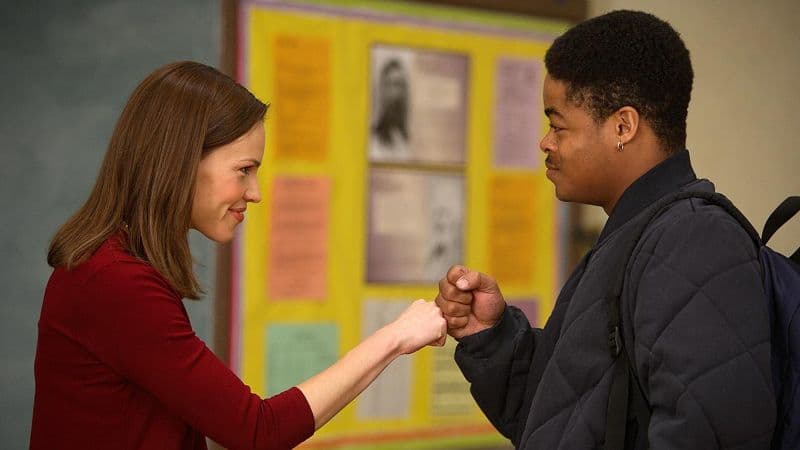
10) Freedom Writers

This one connects classroom dynamics to practice: writing, reading, and the slow build of trust. It’s useful for at-risk students because it doesn’t pretend motivation appears on command.
Do this right after viewing
- 5-minute journal: one moment that shifted perspective, and why.
- Then: rewrite it with one piece of evidence from the scene.
Common mistakes when using educational movies (and what to do instead)
- No output at the end.
Fix: require a product. Even a 6-row table is enough. - Questions that are too vague.
Fix: questions must force evidence. “What happened?” is weak. “What supports that?” works. - Trying to cover everything.
Fix: pick one skill, one clip, one task. Done. - Overloading with terms.
Fix: keep language simple. Students learn faster when the structure is clear.
Data & insights (quick numbers + a simple chart)
Kaltura’s “State of Video in Education 2022” reports 94% of educators agree video increases student satisfaction, and 94% link video use to improved student performance. Source: Kaltura report (PDF).
| Measure (Kaltura, 2022) | Result |
|---|---|
| Video increases student satisfaction | 94% |
| Video improves student performance | 94% |
Career tie-in for STEM fields (use it to justify the assignment): BLS projects that mechanical engineers will grow by 9% from 2024–2034 (about 18,100 openings/year). Source: BLS Mechanical Engineers. BLS also projects that mathematicians and statisticians will grow by 8% (about 2,200 openings/year). Source: BLS Mathematicians and Statisticians.
| Occupation | Projected growth (2024–2034) | Annual openings (avg.) |
|---|---|---|
| Mechanical engineers | 9% | 18,100 |
| Mathematicians and statisticians | 8% | 2,200 |
Wrap-up (3 steps)
- Choose the movie based on the skill, not the vibe.
- Run one task immediately after viewing (table, short writing, or debate notes).
- End with evidence: what did you see, what supports that, what’s uncertain.
Explore Similar Topics
Artificial intelligence (AI) is transforming educational technology. This change is particularly notable in mathematics. Traditional teaching methods now integrate with...
Homework has been a cornerstone of education for generations. It has sparked endless debates among educators, parents, and students. Some...