


In a world where technology increasingly defines our interactions, using AI for flirting is no longer a futuristic concept —...

Best Certifications for Remote Jobs
Hiring remotely will be congested and somewhat mean-spirited: there will be more candidates, more filtering, and an increased intolerance of vague careers. A certification will come in handy, though it should be in conjunction with a corresponding actual role, and you must be able to demonstrate that you are capable of working alone on a distributed team. I have subdivided certifications by track in this guide and how I would present them on a US resume so that employers can see the results instead of badges.
| Goal | Certification or Credential | Prep Time | Cost | Good Fit For |
|---|---|---|---|---|
| IT Support (Beginner) | CompTIA A+ | 6–12 weeks | $530 (2 exams) | Support, help desk, customer service |
| Security Foundation | CompTIA Security+ | 8–14 weeks | $425 | Junior security, IT-to-security |
| Cloud Fundamentals | AWS Cloud Practitioner / Microsoft Azure | 2–6 weeks | $100 (AWS) / $99 (Azure) | Non-engineer, junior cloud |
| Cloud Architecture | AWS Certified Solutions Architect – Associate | 8–16+ weeks | $150 | Cloud roles, IT, ops |
| Data Analysis | Google Data Analytics (Coursera) + portfolio | 2–6 months | $49/month (total < $300) | Analyst, ops analyst, reporting |
| Project Work | CAPM / Practical PM Pathway | 1–3 months | $225 (PMI member) | Coordinators, junior PM |
| Agile Teams | Scrum Credential (PSM/CSM) | 1–4 weeks | $200 (PSM I) / $250–$2,495 | Delivery, PM, product ops |
| Marketing | Google Ads + Analytics Basics | 1–6 weeks | Free | Remote marketing, growth |
| Security Specialization | CISSP | Varies | $749 | Experienced security |
Use the table as a filter. Select any track, and then the credential you desire to display in the postings that you intend to use is selected. Following this, I will discuss why certifications work and sometimes do not work, and then take you through the process of how I would put the certifications on a resume, and have the credentials backed up by evidence projects, tools, and remote signals, rather than a badge.
Table of Content
ToggleWhy Certifications Matter for Remote Work (and Why They Sometimes Don’t)
Remote work is normal now, but it’s not casual. The bigger the company, the more they lean on signals that reduce hiring risk. A certification can be one of those signals. Here’s a stat that explains the vibe on the employer side: Microsoft reported that 85% of leaders say the shift to hybrid work has made it challenging to feel confident that remote employees are productive. That number doesn’t mean leaders are right. It means leaders are anxious. Anxious leaders want proof, clarity, and predictability.

Another stat that matters because it affects hiring leverage: Pew reported that as of Oct 2024, about 32% of workers with “teleworkable” jobs say they work from home all the time. So yes, there are real work-from-home roles. But they’re not unlimited, and employers know people want them. And one more, because it shows why companies fight about policies: Pew found 46% of people who currently work from home at least sometimes say they’d be unlikely to stay at their job if they could no longer work from home.
Certifications vs Skills: What Employers Really Value
So where do certifications fit into all this? They help when they match what a team actually needs and when you can show real work next to them. That can be a small project, a dashboard, short notes about system design, or clear documentation. They lose value when people collect many certificates without a clear focus. A resume can quickly look like a list of badges instead of proof of skills.
One idea that helps keep this in perspective is: “Credentials are not the same as competence.” A certification can open doors, but employers still look for clear examples of what you can do.
How to Choose the Best Certificate Program for Your Remote Working Career
Instead of focusing too much on “certificate programs,” I recommend asking yourself: what’s the best, most cost-effective way to prove you’re a good fit for the role you want? My approach is simple. I start by reviewing 15–25 job listings (both remote and hybrid) and note down common tools, responsibilities, and tasks. This helps me pick a clear career track and ensures I can confidently say, “I’m targeting X.”
After I have chosen a path, I focus on credentials that involve any real deliverables, such as a dashboard, a documented architecture, o r a campaign report. The same language that employers can use in their job descriptions, be it vendor-specific certification, such as AWS, or basic skills, is also the language that I use. Lastly, I would look at career development: when the certification is unhelpful in your initial position, I pay little attention to it.
Common Mistakes to Avoid
Most individuals commit errors regarding the subject of certifications that can be detrimental to them. The following are some of the pitfalls that should be avoided:
| Mistake | Correct Approach |
|---|---|
| Treating certifications as work experience | Use certifications to support, not replace, experience. |
| Not showing that you can work independently | Add projects or results that show you can work alone. |
| Using the wrong terms for your credentials | Use the same terms as the job listing. |
| Forgetting that hiring managers care about risk management | Show you understand and prioritize risk, especially in regulated fields. |
The Top 20 Best Certifications for Remote Jobs
With remote work becoming more widespread, the relevant certifications can become an advantage. This is a list of the top 20 certifications to have in 2026 to make you shine in the remote employment market.
IT/Support/Customer Service
- CompTIA A+
- ITIL Foundation (if your target employers mention it)
- Basic networking fundamentals (role-dependent)
Cloud (AWS, Microsoft Azure, Google Cloud Platform)
- AWS Cloud Practitioner (foundation)
- AWS Certified Solutions Architect – Associate
- Microsoft Azure fundamentals (foundation)
- Role-specific Azure credentials later
- Google Cloud Foundation → then Google Cloud Certified tracks depending on role
- Google Cloud Professional Pathways if postings call them out directly
Data Analysis/Data Science
- Google Data Analytics (plus portfolio)
- SQL + dashboarding proof
- One data science credential, only if your target roles explicitly demand it
Security / Remote Security
- CompTIA Security+
- CISSP (only for experienced people who meet requirements)
- Cloud security fundamentals (as a follow-on)
Project Management / Remote Operations
- CAPM (entry lane)
- Practical PM proof (plans, RAID logs, status updates)
- Scrum credential (PSM/CSM-type)
Remote Marketing / Digital Marketing
- Google Ads (baseline)
- Analytics basics + reporting
- Email/CRM tooling proof (role-dependent)

Best Certifications by Track for Entry-Level Remote Jobs in 2026
Remote jobs are possible through top certifications that can be used to legitimize your competencies. The following is a list of the best certifications that have been divided by track to assist you in making the correct choice on which track to follow in my career in 2026.
Track 1: IT Support and Customer Workflows
This is among the most thorough “certification to work” opportunities I envision for entry-level candidates. (One of my few entry-level applications, that is, because it fits here.) The remote support is not only about technical ability. It is customer communication, documented calmly and well, and relaxed escalation. If you pick CompTIA A+:
- Pair it with ticketing language in your resume
- Show you can write clean resolution notes
- Show you can handle volume without losing quality
An example of this would be the creation of a one-page troubleshooting guide to a frequently seen problem, a device setup checklist, or a brief FAQ to assist in avoiding repeat tickets. Such projects could demonstrate that you can resolve issues and simplify the workflow in the remote support position.
Track 2: Cloud Computing
Cloud is both very in demand and very crowded. There, I like cloud credentials when you present a small architecture artifact, too.
If you go to AWS:
- Use AWS Certified Solutions Architect once, cleanly, and then show what you built
If you go, Azure:
- Mention Microsoft Azure only where it’s relevant to the tools you used
If you go to Google Cloud:
- Use “Google Cloud” once, and then be specific about what you did on the processing systems on Google Cloud
A lot of employers don’t care which cloud you choose; they care whether you can explain tradeoffs. That’s what gets you into high-paying remote roles later.
Track 3: Data Analysis
Data analysis works well for remote jobs because it’s mostly done asynchronously, you pull data, clean it, analyze it, and share your findings. But your resume needs to show actual work, not just say “I like data.” Focus on proving your skills with real examples. Instead of just listing certifications, build a simple portfolio. Include things like an SQL project with a clear explanation, a dashboard, and a one-page summary of what changed and your recommendations.
While pursuing the best certifications for remote jobs, you can use an AI timeline maker to visually map out your learning milestones and career transition goals.
Track 4: Security
Security certifications can help you get noticed, but they only work if you can show that you understand controls and communication. If you’re just starting, CompTIA Security+ is a good choice. To back it up, build proof of your skills with projects like a lab write-up, a security checklist, or a basic incident-response template. For those with more experience, CISSP could be the next step, but it depends on the role you’re aiming for and whether you meet the eligibility requirements.
Fast Wins and Long-Term Plans: Which is the Right Path to Take?
Speed is not an issue as long as you practice and prove it with your abilities. Quick wins are good when you want to have quick momentum and when you are already seeking employment. Within 2-4 weeks, you can be certified as a Cloud Fundamentals, Google Ad basics to market remotely, or even a Scrum credential, which seems to be listed in job ads regularly.
To make any more significant progress, medium-term plans (1-3 months) will assist you in developing tangible evidence. It is also the time to get certifications such as CompTIA A+ to be employed in support positions, Security+ to acquire a security foundation, or a CAPM-like project management cert, and templates. Greater plans (3-6 months) are more successful in the construction of a portfolio or case studies, including data analytics, UX, or cloud architecture. These certifications, along with good projects, will help you in supporting your resume and increasing your online presence.

How to Add Remote Certifications to Your Resume
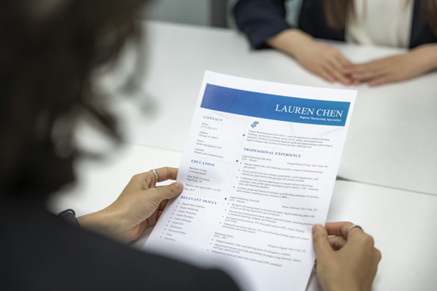
Certifications do not need to be in your resume, and they can make you shine, but you need to put them where they belong. The location of listing them and how they are formatted can make a severe difference in the attention of a recruiter.
Where Certifications Go (and How to Format Them)
The career services of Harvard express it the best way possible; you can indicate your most significant certification by listing it in a resume summary or a resume heading. When the qualifications are a major selling point to the prospective employer, especially in the case of early-career or career-changer people, the qualifications should be listed at the top of the resume.
In the case of experienced professionals, certifications may even be reduced, and they must be visible. This is a simple format that you may use to maintain a clean and consistent resume:
- Certification name — Issuer (Month Year)
Optionally, include an expiration date if relevant, or a credential ID, but only if it doesn’t add clutter. For example:
- AWS Certified Solutions Architect – Associate — Amazon Web Services (2026)
- CompTIA Security+ — CompTIA (2025, expires 2028)
The Proof Pairing Strategy
When you include a credential, be sure you include at least one bullet in your Experience or Projects section showing that you used the skill. The following are bullets that really sound well in a far job market:
- Author and owner of SOPs regarding common problems; minimized the number of repeat questions by having common fixes in a group document.
- Asynchronous weekly status reports, written scope modifications, and decisions on a remote team that was described as being distributed.
- Created a dashboard that is lightweight; relayed the discoveries to the non-technical stakeholders in a one-page brief.
How You Should Tailor a Resume For High-Paying Remote Job (ATS + Human Scan)
In preparing a resume to work remotely, I consider two things. First, ATS scans the resume. Then a recruiter reads it. In approximately 10 seconds, the reader would be able to see important points.
- Your target role or track
- One project or result
- The tools you used
I then go through job adverts and sift through 8-12 phrases that are repeatable. These consist of tasks and tools. Then I put every phrase in context. I included the major ones in the Experience, not just in the Skills. I also added indicators of working remotely. Examples include work that was done across time zones, documented handoffs, triaged tickets, or writing runbooks.
After that, I update LinkedIn. I correspond to the target role and the headline. I put one to three work examples in the Featured section. I then include certifications that have a verification link. Lastly, I store resumes under a single location. To track changes, some people use such tools as EduBrain to maintain one document per role.
Can a Certificate Land a High-Paying Work-From-Home Job?
A certification for remote work is not sufficient in most cases to secure a well-paying remote position. Even though certifications assist in demonstrating your competencies, you must have evidence. The trick is in choosing a career direction, completing one of the appropriate qualifications, and creating a project that demonstrates whatever you are capable of.
When you are in an interview, you must be able to describe your work in simple terms, namely what you did, why it was important, and what you would do differently. Your resume need not be about the studies only. Simply put, remote work certifications are a welcome, but there must be evidence and effective communication to pass through.

Conclusion: A Simple Plan to Land a Remote Job Market
Today is the first day. Here is one easy way to do it: First, pick one remote career track of interest to you, such as data, marketing, or IT. Then, consider the job advertisements in that region and underline the skills and requirements that appear most of the time. Depending on them, choose one certification program that would be a good fit.
Next, prepare something that you can demonstrate in terms of a project, a report, or a portfolio piece to demonstrate your abilities. Revise your resume to reflect what you have done and the outcomes you have reached, not the courses that you have attended. Apply to vacancies, and welcome criticism to be able to become better after every attempt. When you are submitting to multiple positions, an AI system such as EduBrain can be used to keep everything straight, creating a different copy of your resume per position and a clear list of your evidence to track that.
Explore Similar Topics
AI assistants now play a regular role in work and study. Many people use generative AI for writing emails, doing...
Schools face hard goals: close gaps, keep pace with tech, and prepare students for work. Technology in the classroom sits...