
In a world where technology increasingly defines our interactions, using AI for flirting is no longer a futuristic concept —...
The Best AI Writing Tools: A Comprehensive Guide
From basic essays to expert content creation, the emergence of AI writing tools has completely changed how we approach writing assignments. These tools can help produce AI content quickly and effectively thanks to the power of large language models. AI tools have the potential to save time, increase productivity, and improve the quality of written content for writers, students, and businesses alike.
These tools are now necessary to produce high-quality work, whether you’re writing an academic essay, article, or marketing copy. To help you find the ideal tool for your needs, we’ll examine the top AI for writing in this post, dissecting their features, costs, and best use cases.
Table of Content
ToggleHow to Choose the Best AI Writing Tool for Your Needs
The choice of the right AI writing tool varies with the goal behind your text. A student with essays in mind needs a clear structure, citation support, and a formal tone. A marketer cares more about headlines, product blurbs, and SEO drafts. Authors in creative writing often prefer systems that suggest plot twists, fresh dialogue, and character notes. Business teams usually favor a strict, concise style for reports and emails, so they benefit from strong control over voice and brand rules.
While you evaluate any AI writing assistant, price, ease of use, and depth of features matter a lot. Look at support for long projects, options for reviewing generated text, and extras such as image generation or research aids. Some platforms rely on plug-ins and other assistant tools, while others offer one clean workspace. A free AI humanizer can help with final polish. How? It can reshape stiff AI sentences, restore a natural rhythm, and reduce obvious machine patterns, so the result sounds closer to a real person.
Match each platform with your usual writing process. Heavy daily content work often fits well with robust AI writing software, including templates, team collaboration, and analytics. Occasional blog posts or school tasks feel comfortable inside a lighter AI writing assistant that focuses on drafts and quick edits. Once your needs, budget, and workflow are precise, the best option stands out, and the chosen tool quietly upgrades every page you produce.
Tool 1: ChatGPT (OpenAI)
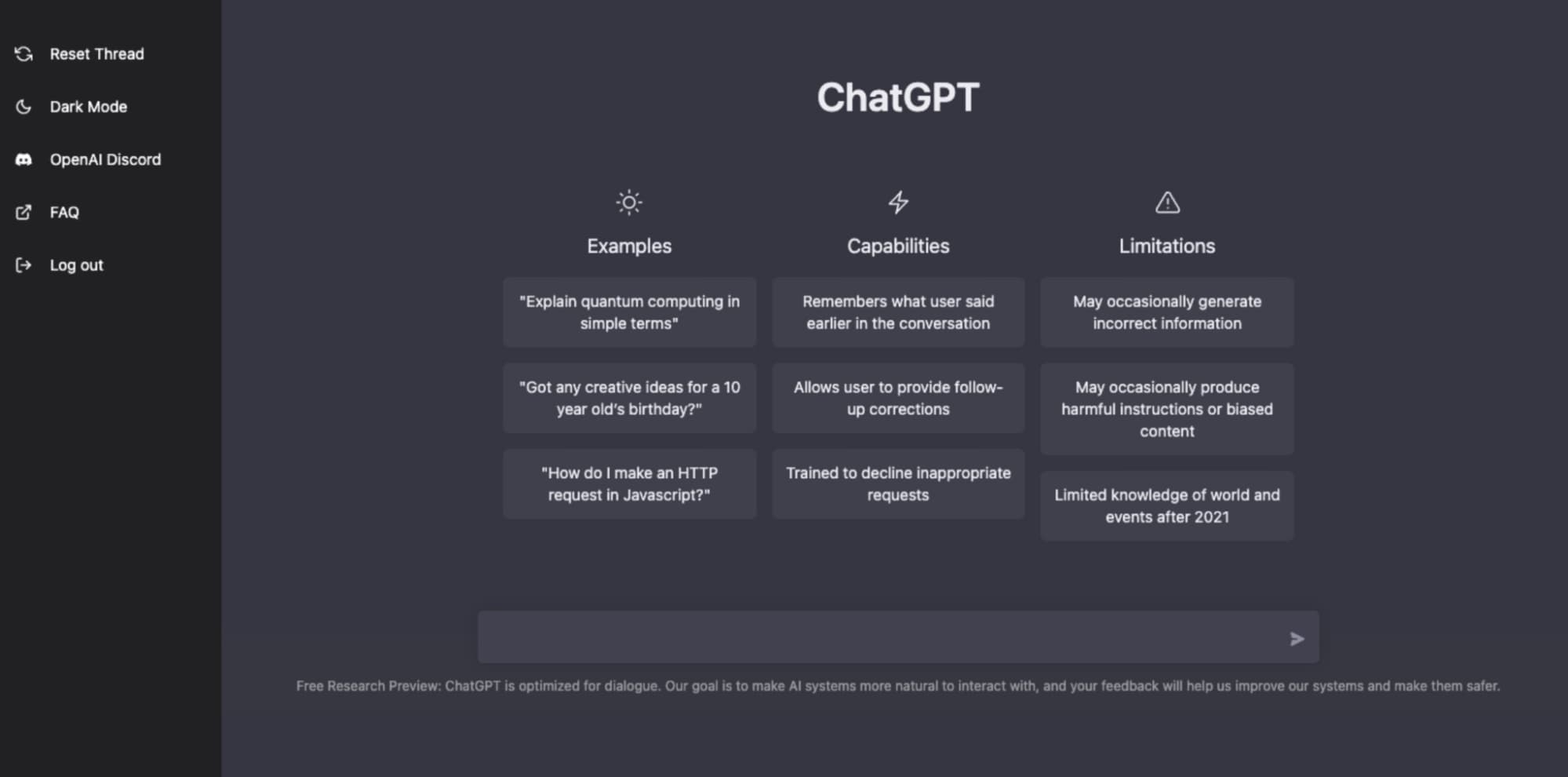
ChatGPT works as a flexible AI writer powered by advanced artificial intelligence and natural language processing. It adapts tone, length, and style for almost any text.

Services
ChatGPT acts as an all-purpose AI content generator for articles, essays, emails, and dialogue, so one chat can cover most everyday writing needs. It supports research, outlines, rewrites, and quick answers across many writing tasks, from simple explanations to more detailed drafts. Through plugins and an API, it also links into wider software tools stacks, which allows teams to embed it inside existing workflows and apps.
Prices
Free tier plus paid personal, team, and enterprise plans with higher limits and faster models.
Who Is It For
Students, freelancers, marketers, and teams that want one general tool instead of many niche apps.
Tool 2: Claude (Anthropic)
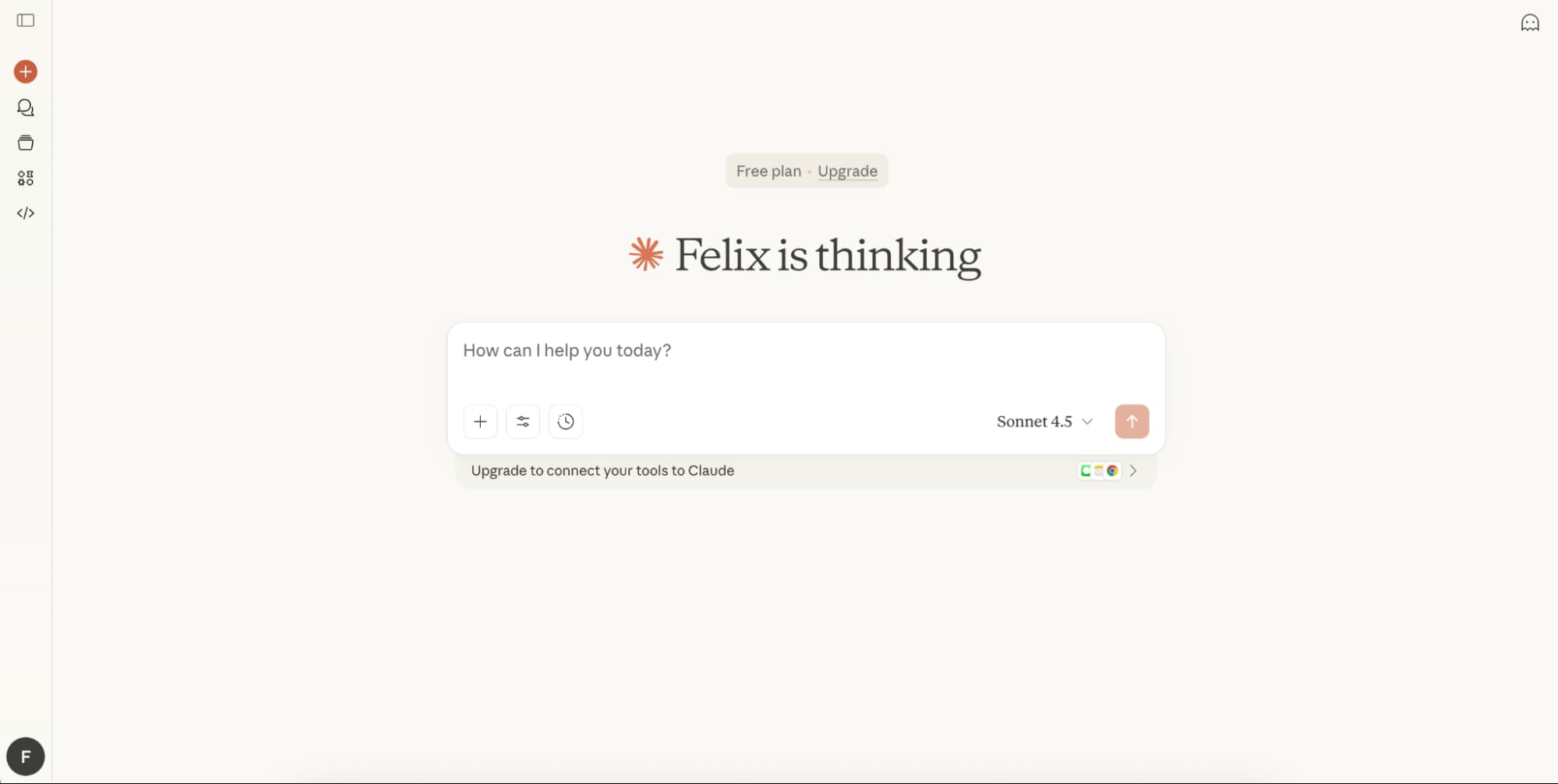
Claude focuses on careful reasoning and clear language, so long documents feel more human and less robotic.

Services
Claude excels at generating long-form content, including reports, strategies, and research summaries, with a strong emphasis on clarity and structure. It accepts document uploads, analyzes the material, and returns structured answers even when the context spans many pages. In day-to-day work, it behaves like a calm partner for complex writing tasks and knowledge work, ideal for people who spend a lot of time inside dense text.
Prices
Offers free access, a mid-tier subscription for heavier use, plus higher plans and enterprise options with more capacity.
Who Is It For
Analysts, consultants, researchers, and teams that care about depth, nuance, and reliable behavior from their AI.
Tool 3: Jasper
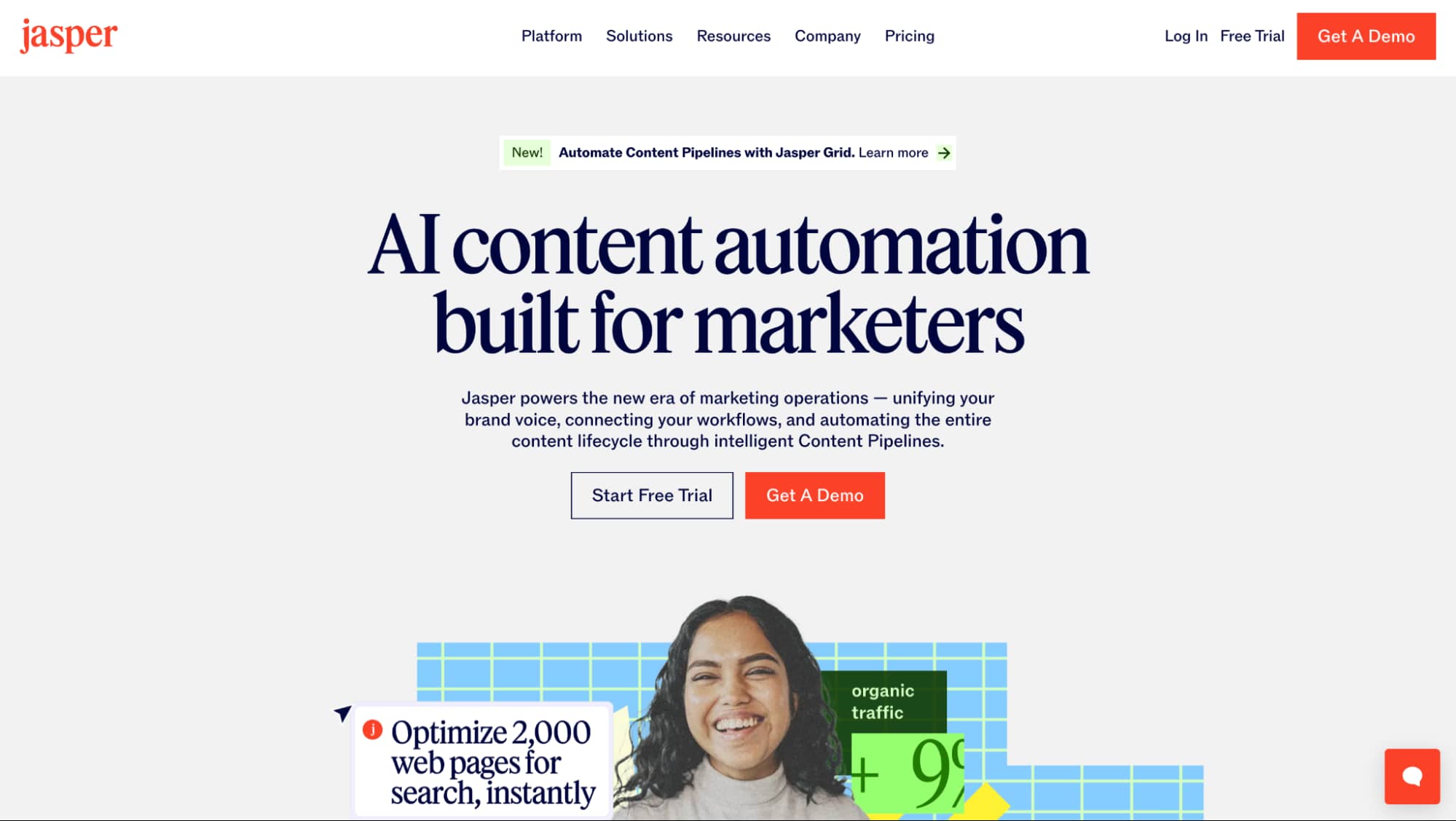
Jasper targets marketing teams and creators who operate within a defined content creation process and need brand-consistent copy.
Services
Jasper works as a template-driven AI content generator for ads, landing pages, social posts, and emails, so campaigns move from brief to draft very quickly. Its branded AI writer mode learns your tone from examples and keeps that voice steady across every asset. The platform also connects with SEO and design software tools, which turn it into a central hub for full campaigns instead of a one-off copy helper.
Prices
Seat-based Pro plans for small teams, plus custom business pricing with advanced collaboration and governance.
Who Is It For
Agencies, in-house marketers, and founders who want faster campaigns without losing control of voice or message.

Tool 4: EduBrain
EduBrain is an AI tool that combines content creation support with advanced quality assurance. It offers AI-powered assistance across a wide range of academic and professional writing tasks, including essays, articles, reports, and more.

Services
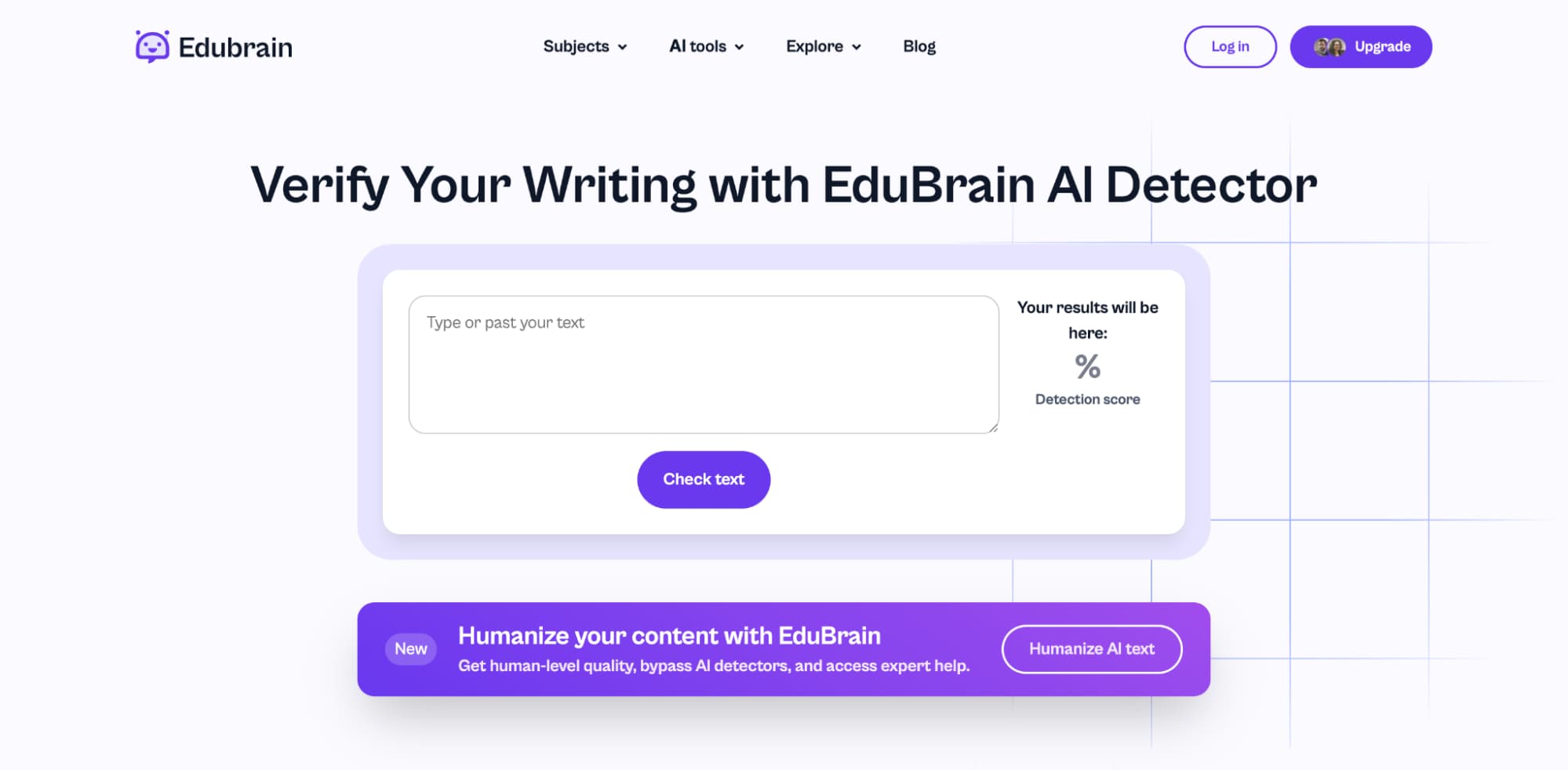
EduBrain serves as a comprehensive AI assistant for writing, editing, and content optimization. It provides AI-generated suggestions, paraphrasing, and grammar checks, making it perfect for academic and professional writing. The platform also has a unique detector (https://edubrain.ai/ai-detector/) that helps assess whether the content is AI-generated, helping you ensure authenticity and reduce the likelihood of detection issues. Moreover, EduBrain includes tools like flashcard generators, lecture note takers, and answer generators, which enhance your overall writing and learning experience.
Prices
EduBrain offers a free version with basic features, while premium plans provide access to advanced tools such as an AI detector, faster processing, and unlimited usage.
Who Is It For
Students, educators, content creators, and anyone who needs an all-in-one AI-powered tool for content creation, detection, and refinement.
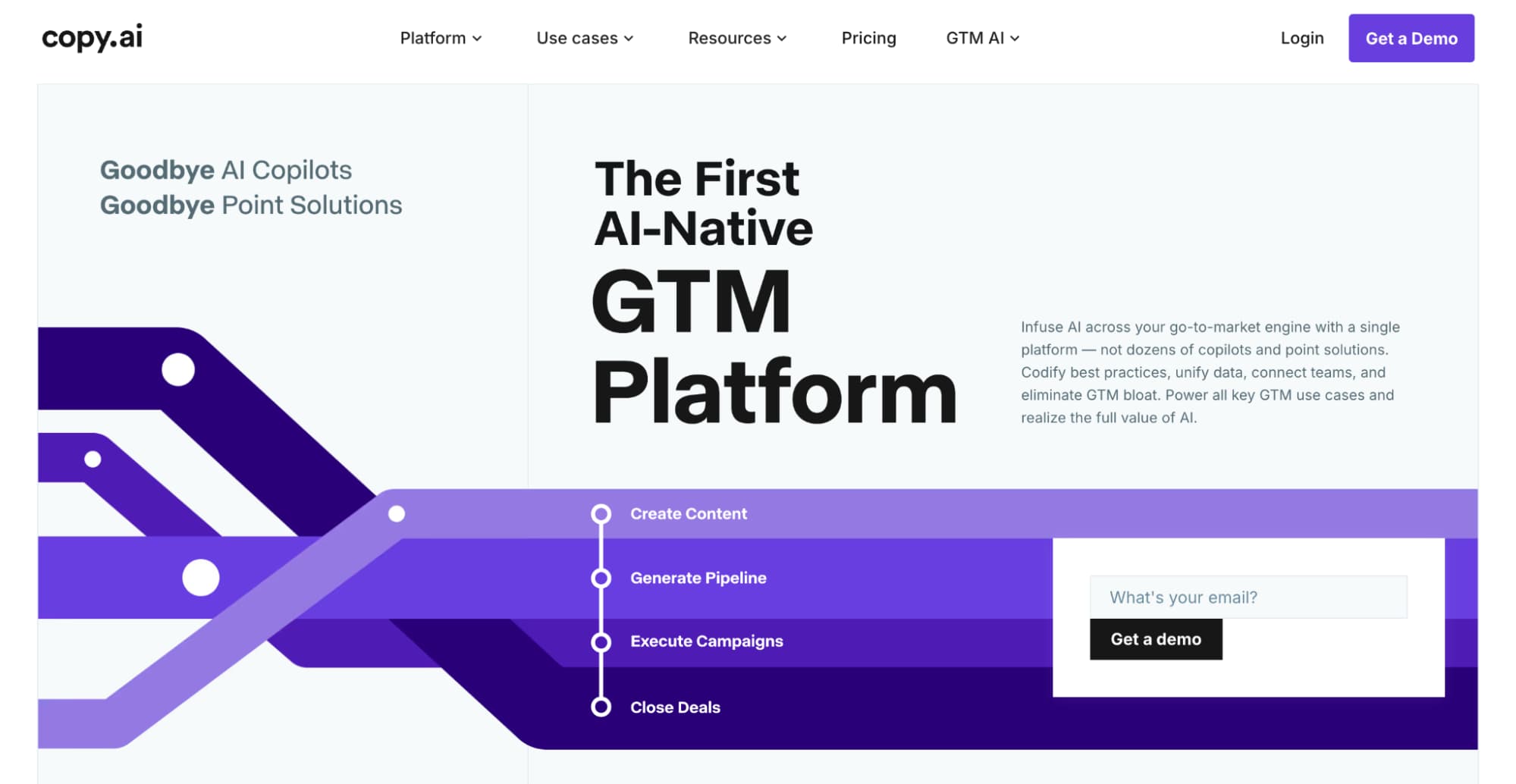
Tool 5: Copy.ai
Copy.ai is a writing tool aimed at teams that live in pipelines for ads, sales pages, and emails. It turns the scary blank page into structured prompts and flows, so marketers move faster without reinventing the wheel each time.

Services
It generates marketing copy for emails, cold outreach, social posts, and blog intros, and it can map whole GTM workflows. You can brainstorm ideas, draft sequences, and refine messaging alongside other tools in your stack, including CRM and Google Workspace apps.
Prices
There’s a free plan with limited credits, plus paid tiers that unlock higher usage, team features, and more advanced features for collaboration.
Who Is It For
Growth, sales, and content teams that need repeatable, on-brand copy they can tweak into their own writing instead of starting from scratch.
Tool 6: Writesonic
Writesonic is a template-heavy AI writing platform that supports blogs, ads, and web pages in many languages. It fits well into a modern content marketing workflow where speed and consistency matter.

Services
The tool helps draft blog posts, ad variations, and landing pages with controls for word count and tone. It also plugs into SEO research so you can shape an SEO content strategy and create SEO optimized drafts aimed at real search intent and performance in search engines like Google search.
Prices
You get a limited free plan, then paid subscriptions with higher limits, priority quality models, and collaboration options.
Who Is It For
Bloggers, startups, and agencies that need a flexible writing tool to quickly spin up a complete article or ad set, then polish with human review.
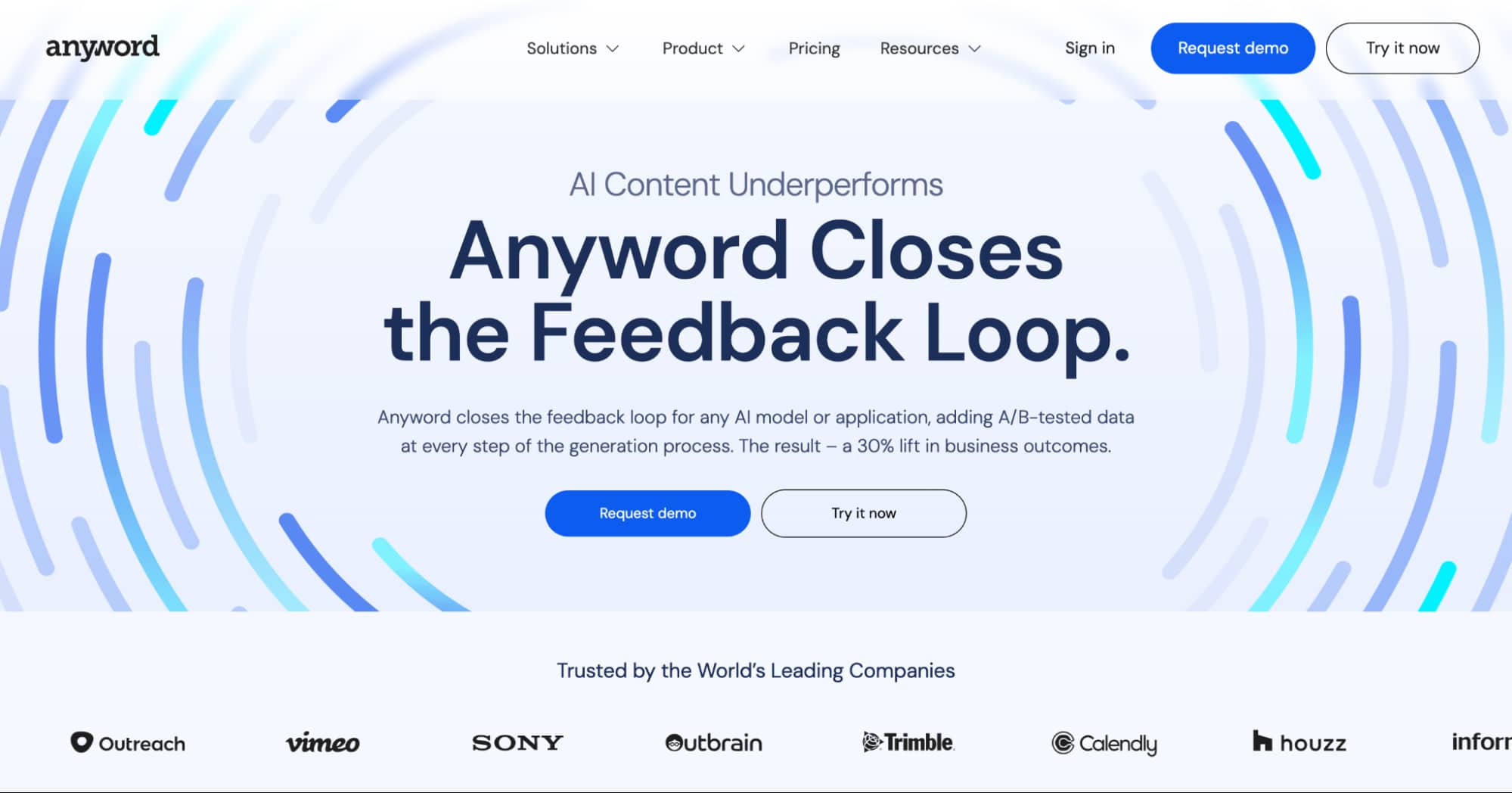
Tool 7: Anyword
Anyword positions itself as a data-first AI writing platform. Instead of just spitting out copy, it scores and predicts how that copy might perform, which is ideal for ads and landing pages tied to strict targets.

Services
It generates and tests marketing copy for ads, emails, and product pages, showing predictive scores for CTR or conversions. You can align content with your SEO content strategy, compare variations, and refine based on search intent and audience segments.
Prices
Anyword offers a free plan or trial with limited usage, plus tiered subscriptions for professional marketers, including more advanced features like predictive analytics and team workspaces.
Who Is It For
Growth marketers, PPC specialists, and performance-focused teams who care deeply about metrics, not just “nice” wording.
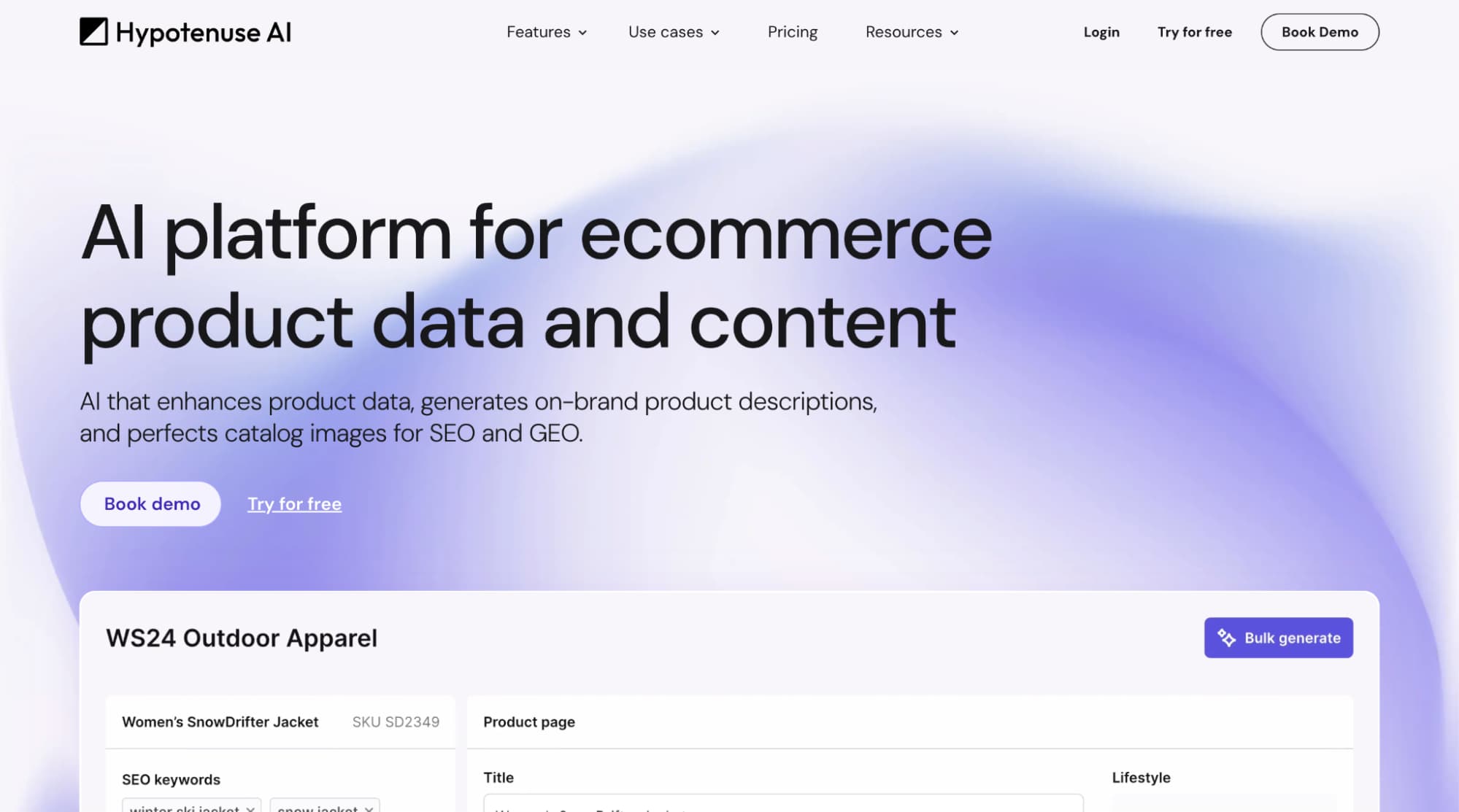
Tool 8: Hypotenuse AI
Hypotenuse AI is built around ecommerce and retail workflows. It focuses on turning specs, feeds, or brief inputs into on-brand product descriptions and bulk catalog content.

Services
The platform creates SEO-ready product descriptions, category text, and supporting blog posts aligned with your SEO content strategy. It helps teams brainstorm ideas for campaigns and supports human editing, so marketers and merchandisers can refine drafts together with editing tools and version control. Integrations with e-commerce platforms and other tools keep everything in sync.
Prices
You’ll usually find a trial or free plan with limits, then business tiers priced by volume and team size.
Who Is It For
Online stores, marketplaces, and ecommerce agencies need high-volume, consistent catalog copy that search engines and shoppers both understand.
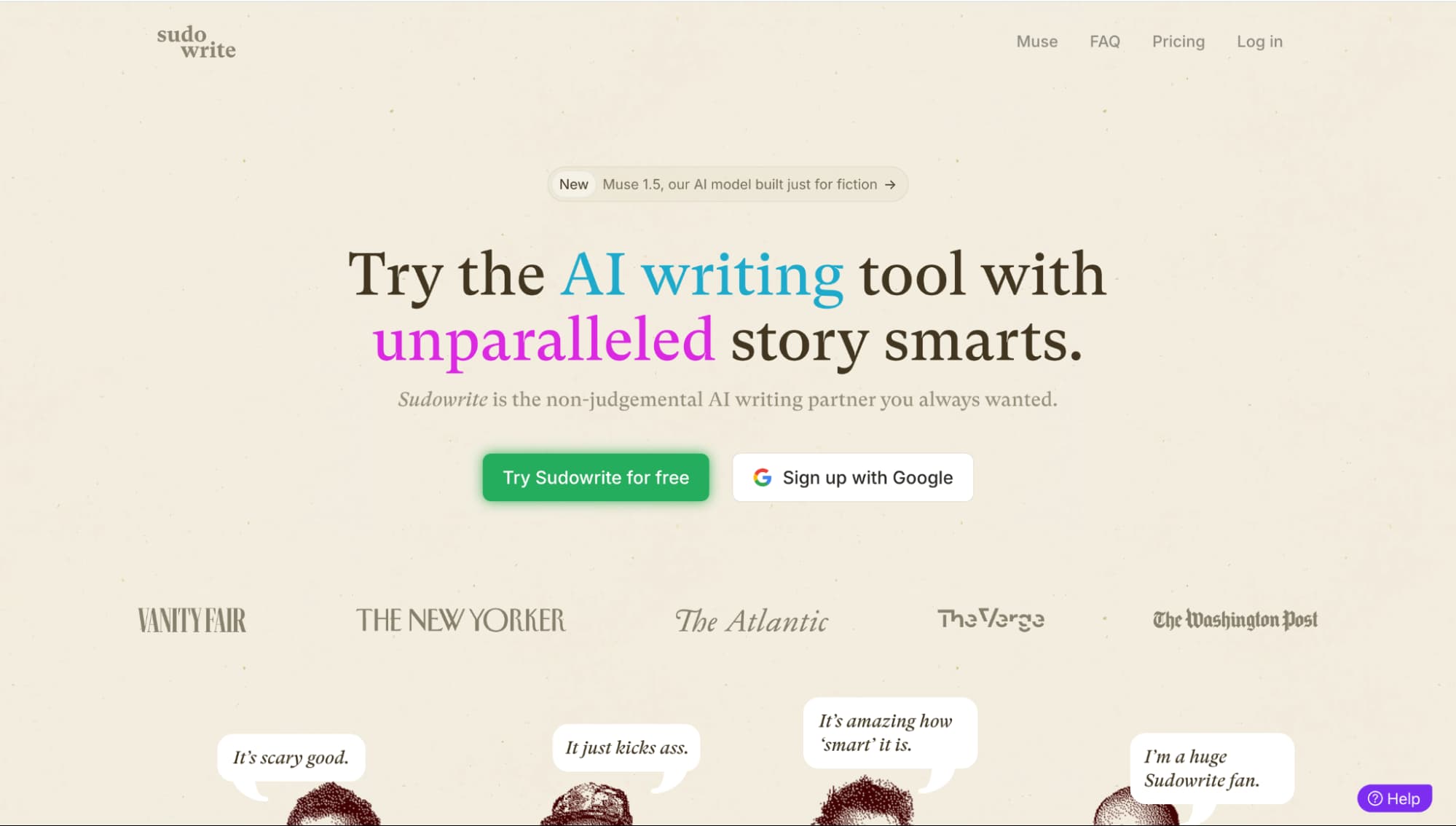
Tool 9: Sudowrite
Sudowrite feels like a friendly co-author for novels and short stories. It runs on a powerful AI model that understands narrative flow, character arcs, and emotional beats, so drafts gain texture instead of sounding flat.

Services
The app expands scenes, proposes twists, and reshapes dialogue while it preserves your voice and preferred writing style. It also outlines chapters, builds character sheets, and generates sensory details, so you end up with vivid AI-generated content that still reads like your own writing. Many authors treat it as a private lab for experiments before any words reach beta readers.
Prices
Paid monthly plans with a trial or light free version available at the entry level.
Who Is It For
Novelists, fan-fiction writers, game writers, and anyone who wants a dedicated partner for pure creative writing.
Tool 10: Grammarly (Superhuman)
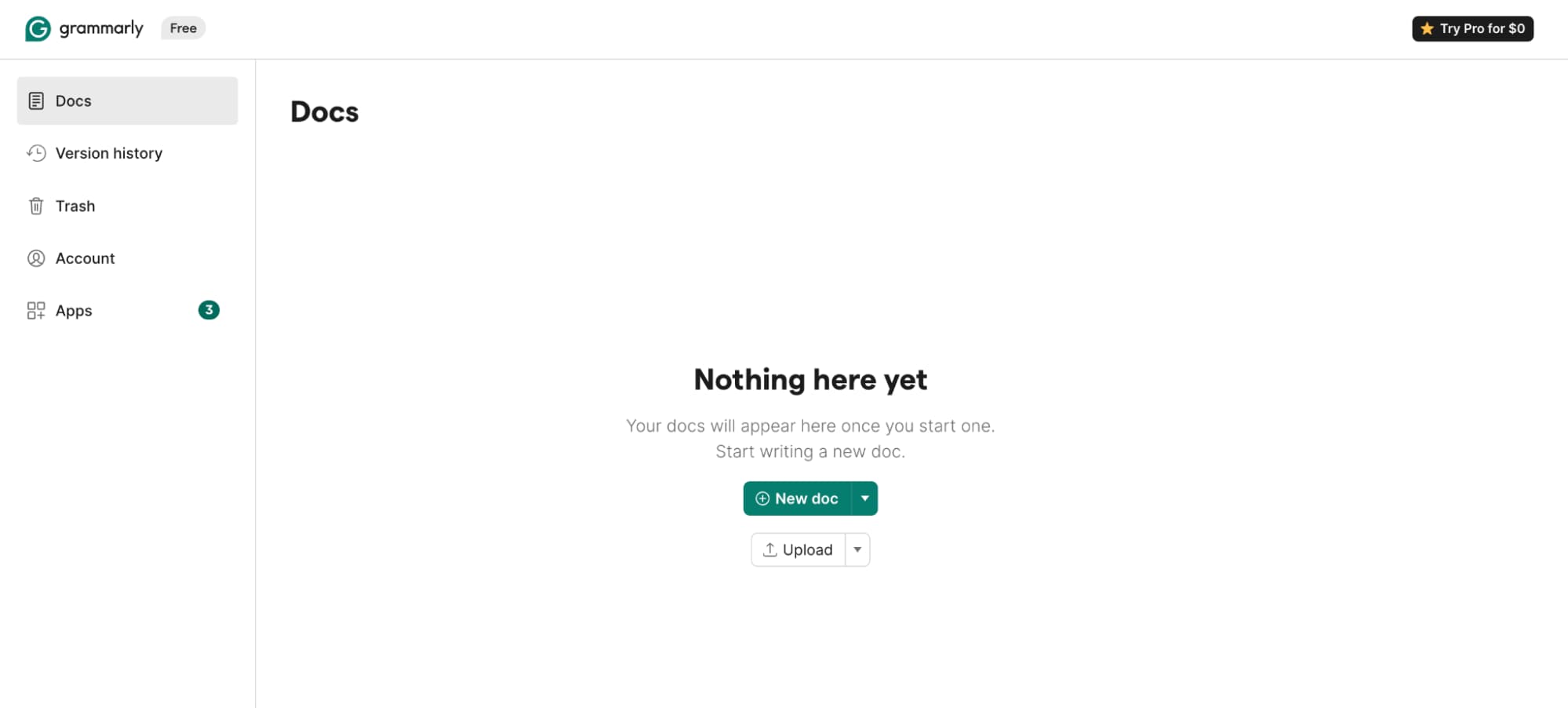
Grammarly, now part of Superhuman, remains the household-name grammar checker and style coach. It works across browsers, email, and Google Docs, so feedback appears right where you type.
Services
The tool flags grammar, clarity, and tone issues and then suggests rewrites that match your target writing style. On higher tiers, it adds AI writing assistance for full-sentence rewrites, short replies, and social media captions or longer social media posts. As an everyday writing tool, it cleans up AI-generated content from other apps and keeps everything consistent across mail, docs, and messaging.
Prices
Core features sit in a strong free version, while Premium and Business plans unlock deeper checks and team controls.
Who Is It For
Students, professionals, and teams that value polished text and quiet, always-on editing in the background.

Conclusion
AI now sits at the center of modern content writing, from drafting emails to planning full campaigns. Powered by machine learning and deep learning, today’s tools can generate content in seconds, whether you need polished short-form content or a detailed guide for a specific target audience.
In this guide, you’ve seen versatile chat-based tools, specialist fiction assistants, SEO-focused platforms, and enterprise suites – each with different key features that matter to content marketers, students, and business teams. The smartest move now is to test a few options: start with an unlimited plan or trial, run real projects through them, and see which one fits your workflow and voice. With a bit of experimenting, you’ll find the stack that quietly upgrades every paragraph you write.
Latest Articles
Artificial Intelligence is now the centre of technological evolution. From healthcare to the automotive industry to finance and education, AI...
Artificial intelligence is no longer a novelty for students. It’s part of their routine. It shows up when an essay...