
Homework has been a cornerstone of education for generations, sparking endless debates among educators, parents, and students. Some see it...

How Much Homework Is Too Much? Pros and Cons of Homework and Its Impact on Students
Homework is a normal part of school, but its effect on students’ mental health is now a major concern. Many students spend hours every night on homework assignments, often feeling tired and stressed. Teachers see it as a way to practice and build discipline, while parents hope it pushes their children to succeed. But too much homework can cut into sleep, family time, and social life.
Homework can help when balanced, yet if it becomes excessive or poorly planned, research shows it risks harming students’ mental, social, and emotional well-being. How much homework is too much? Let’s explore the pros and cons of homework and how it affects students.
Table of Content
ToggleThe Original Purpose of Homework Assignments
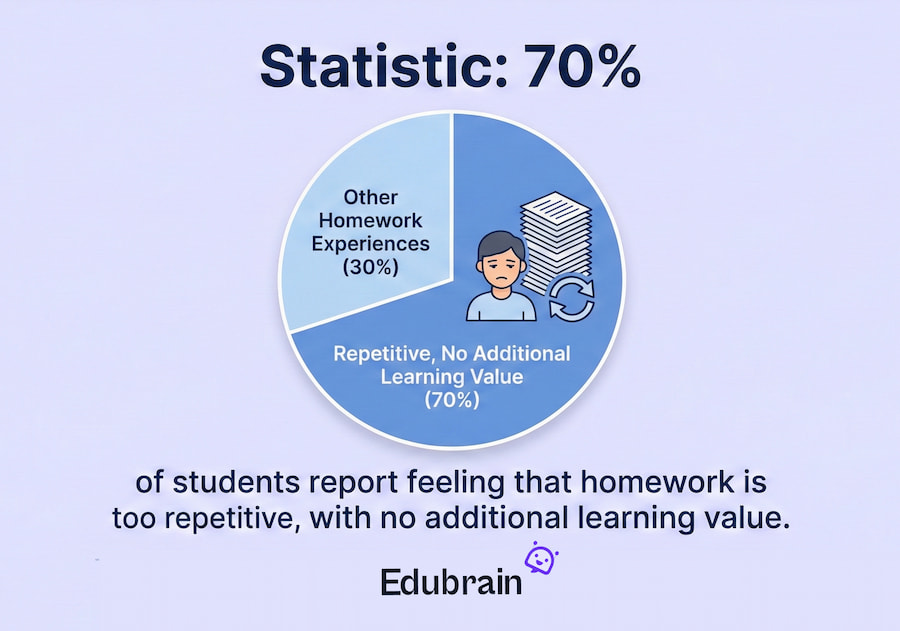
Discussions about homework are mostly focused on the pressure it puts on high school students regarding time management, yet it was not originally intended to be stressful. It is a simple concept: allow students to reinforce learning by reviewing what they have studied in the classroom and retaining the information. Learning can help students master subjects over time, and students typically retain more information with practice. For subjects that rely on repetition, such as math, many students and parents look beyond the classroom for homework help.
Textbooks, online lessons, and even detailed guides on math are often used alongside homework, showing that families see these assignments as part of a larger effort to make learning stick. There is also the argument by teachers that homework instills independence, developing good study habits and research habits since students are left to manage their time and complete tasks without anyone to supervise them. Homework has long been viewed as a tool to reinforce learning and improve retention.

statistics on homework and stress
How Much Homework is Too Much? OECD and Research Center Statistics
Recent studies, however, point to clear limits on the value of homework. A 2022 study by researchers at Stanford University’s school of education and the OECD discovered that 90-120 minutes is the most effective amount of homework for maintaining academic performance per night for high schoolers. After this, the additional hours of homework do not improve grades but cause stress, fatigue, and sleep deprivation and other health issues.
Decades of research reveal that students who spent three or more hours per night do not show any improvement in tests but indicate more anxiety. This begs the question of whether excessive homework is fulfilling its original goal or causing new problems not worth the advantages. Are the homework practices we use today actually effective?
The Effects of Homework: Too Much Work, Too Much Stress
Students in the U.S. tend to do homework longer than the studies would recommend. Numerous high schoolers say they have three or more hours of schoolwork a night, which cuts time spent sleeping, with family, and on other activities outside of the classroom. There is also the pressure of dealing with multiple topics simultaneously. Studies point out the problem:
- Research by Stanford University (2014) focusing on students from 10 high-performing high schools revealed that students had a mean homework time of 3.1 hours a night.
- The same research indicated that homework is the primary source of stress in the lives of 56 percent of students.
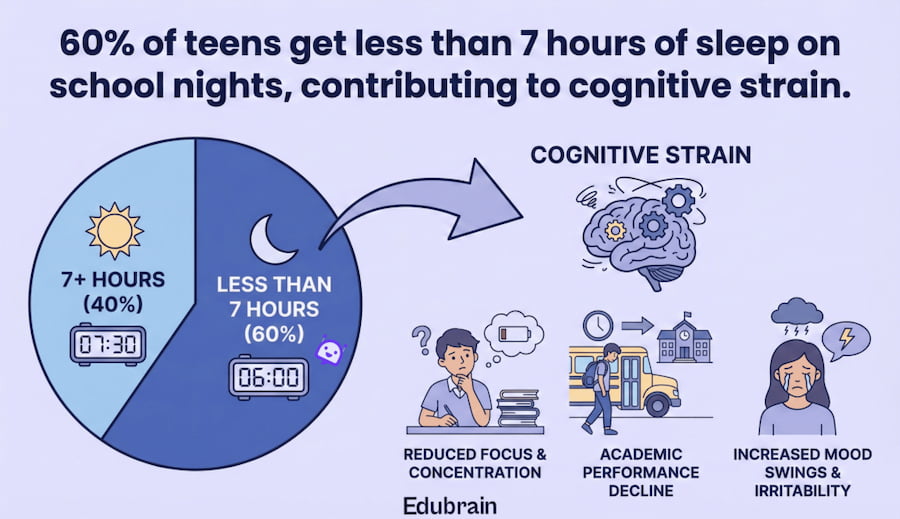
- A CDC report (2023) reported that more than three out of five teens sleep less than eight hours on a school night and that homework was frequently cited as a reason. Mental health experts agree that this leads to severe deprivation and other health problems.
- OECD (2022) indicated that United States students dedicate an average of 2.7 hours a night to homework, compared to just 1.5 hours in Finland.
These figures indicate that the issue is the number of hours of homework per night and the nature of the homework assignments. Long essays and research projects may stretch work late into the evening. Many students feel forced to turn to online resources, and searches for political science homework help are common.
This reflects how homework, once meant as practice, often becomes something students can only handle with extra support. In schools where college entry is a strong focus, students push themselves to stay even with or ahead of classmates. This cycle of long hours, heavy tasks, and competition makes homework a major source of stress and potential physical health problems during the school week.
Homework Time and Student Mental Health
Daily assignments usually cause anxiety about deadlines. With time, such pressure may decrease motivation and predispose one to depression. According to the first-person reports of students’ experiences, evenings are not associated with time to relax but with exhausting homework activities. When the homework load is long-lasting, school turns into a chore.
| Homework Time | Reported Effects |
| Less than 1 hour | Lower stress, more rest, time for other activities |
| 1–2 hours | Workload seen as manageable, mood stable |
| 2–3 hours | More frequent worry, drop in motivation |
| More than 3 hours | Higher risk of anxiety, depressive symptoms, sleep loss |

too much homework causes students stress
According to the Sleep Health Journal (2022), a study found that students who had more than two hours of homework were twice as likely to report having a depressive symptom. A report by the CDC found that high school students with heavy homework also reported poorer mental health than students with less work. To cope, some students turn to online tools, with searches for AI to do homework now common. While it may alleviate the pressure, homework can negatively impact actual knowledge retention for exams if abused.
The Impact of Homework: Physical Symptoms and Cognitive Strain
Late study hours often disrupt sleep. Insufficient sleep causes loss of concentration at school, poor memory, and makes one less alert. Long hours spent on learning at home also have their effect on the body:
- Headaches and stomach pain are common.
- Lower immunity increases the risk of illness.
- Higher cortisol levels interfere with concentration and long-term learning.

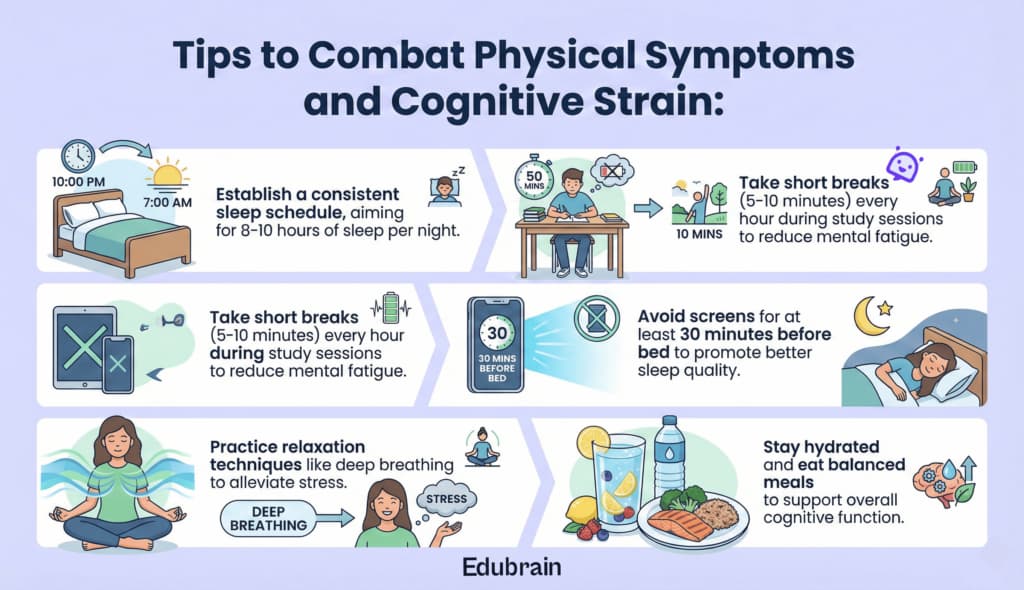
how to combat stress
These physical health problems grow when workloads stay high week after week. The combined impact of reduced rest, recurring health issues, and weaker focus shows how heavy study loads negatively impact students’ bodies and minds. Excessive homework can lead to severe burnout.
Time Lost Outside of School Hours
Homework that goes well into the night causes students to miss out on other aspects of life. According to OECD data (2023), students who had more than three hours of homework per night were 40% less likely to join extracurricular activities. They end up at a desk rather than playing soccer or having dinner with their families.
The impact is also uneven. Some students complete their assignments at a rapid rate because they have quiet rooms, computers, and support at home. Others struggle with homework in unquiet environments or because students lack internet access, making completing their homework take much longer. In the long run, such disparities hinder students from developing critical life skills such as teamwork and leadership throughout their academic and professional lives.
Better Ways to Assign Homework for Students
When schools assign homework, it often ends up being busywork. Students spend hours copying notes, but this homework doesn’t always help them learn. OECD data shows that students in Finland spend much less time on homework than students in the United States, yet their test scores are still strong. Piling on more assignments does not guarantee that it enhances academic performance. What matters is the quality of homework.
There are simple steps schools can take to make homework more useful for students of all ages:
- Keep tasks short: Follow the “10 minutes per grade level” rule supported by the National Education Association (and the education association and the national PTA). This limits minutes on homework per grade level appropriately for younger students and older students.
- Tie tasks to class: Ensure tasks match what was learned in class.
- Eliminate busywork: Eliminate homework that only takes time without teaching anything new. Homework simply shouldn’t be busywork.
- Consider resources: Remember that not all students have the same resources at home, particularly students who struggle with learning difficulties.
Unequal access is often overlooked. In science subjects, some students get done faster by turning to a geology assignment solver, while others spend much longer trying to complete the same work. Homework should give every student a fair chance. Teachers must design homework that addresses children’s academic strengths and weaknesses while accommodating different learning styles.
Conclusion
Homework can reinforce learning when it gives students a chance to practice what they learned in class, but too much quickly becomes harmful. The problem isn’t that homework exists, but that excessive homework often goes far beyond what middle and high school students can manage. Homework takes away time from sleep, family, or simple breaks, and the stress that builds up can negatively impact real learning.
A better approach is to keep homework focused and meaningful. Teachers can assign tasks that support lessons without taking over the whole evening. Learning is important, but so is well-being, and education works best when it protects both.
Explore Similar Topics
Are you a high school student curious about chemistry? Many summer programs are available to help you explore this exciting...
Today’s students face a demanding academic world. The right tools can dramatically boost their success, helping them study smarter, not...