In a world where technology increasingly defines our interactions, using AI for flirting is no longer a futuristic concept —...

Learning Python: How Long Does it Take to Learn and How to Get a Job
Python is considered one of the most accessible choices for students. Learning Python is highly sought after as a programming language in both academic research and the tech industry. Are you a beginner curious about the world of Python and thinking of learning Python today? If you want to learn Python, or just want to learn how to code generally, this guide outlines a clear path to start learning Python.
Guido van Rossum developed the Python programming language in 1991. The Python syntax focuses on making coding readable and understandable. This allows a Python programmer to express complex ideas in fewer lines of code in Python than in languages like C++ or Java.
Python is actually extremely versatile. It supports procedural programming with Python, letting you write Python with straightforward instructions. It also embraces object-oriented coding for creating models of real-world entities, and functional programming. This versatility lets you select a style that best suits your thought process for university projects.
Table of Content
ToggleFactors That Influence How Long It Takes to Learn
How long does it take? Python learning requires dedication, but it typically takes beginners about two to six months to learn Python. Yet, you can begin to code in Python and create simple programs within a few minutes. How much time it will take you to learn Python varies. How fast you learn Python depends on several elements:
- Previous Programming Knowledge: If you are familiar with other languages, it is easier to learn. The time it takes to learn Python depends heavily on prior coding experience, which can drastically accelerate your progress.
- Learning Strategy: A structured Python course can help you learn effectively.
- Daily Learning Time: How fast you learn depends on how much time you dedicate daily. Regular Python coding strengthens your Python knowledge.
- Course Selection: Participating in highly rated online Python courses shapes a more effective journey.
- Use of Tools: Using tools like an AI solver can clarify complex problems.
Timeline for Learning Python Basics: How Long Does It Take?

If you ask how long it takes, the exact duration can vary greatly. Learning Python basics can take anywhere from a few weeks to several months. Resources like the Python homework helper can significantly speed up your learning. However, it is possible to learn the basics of Python in two to four weeks if you are consistent. As a student, you’ll start with essential elements of Python:
- Variables and data types
- Data structures such as strings, integers, and floats, as well as general data structures and algorithms
- Python basics like syntax, indexing, and slicing
- Implementing loops with ‘for’ and ‘while’
- Defining and using functions
Tips for Learning Python and Python Basics
Here are excellent tips for learning Python. Because you can read Python almost like plain English, you’ll learn Python very quickly. Python doesn’t rely on overly complex punctuation, which makes it one of the absolute best languages for beginners to learn.
As you’re learning, remember that it’s possible to learn successfully by using interactive platforms that let you learn at your own pace. Learn the basics of Python deeply first, and you’ll get a solid foundation for everything else.
Moving from Basic Python to Learn Advanced Python
Once you learn Python fundamentals and learn the fundamentals of Python, stepping from basic Python into the intermediate level brings new challenges. To learn advanced Python naturally takes more effort, and this phase will take longer. These advanced Python skills improve your ability to solve high-level problems. Key areas of advanced Python include:
- Error Handling: Learn to manage exceptions effectively.
- Advanced Data Structures: Explore custom data structures to optimize data organization.
- Comprehensions: Master loops and logic.
- Database Operations: Connect, query, and manage databases.
Python Proficiency: How Long It Takes to Master Python
To master Python, you must realize that the process is ongoing. The Python language evolves continuously. If you know Python, you know there are millions of developers contributing to it. Becoming skilled enough to build complex applications is highly achievable.
Python offers access to an enormous range of libraries, such as TensorFlow for machine learning and Pandas for data handling. Mastering Python is an ongoing process. The language grows and changes rapidly, so it’s impossible to learn absolutely everything. However, becoming skilled enough to solve complex academic problems and build applications is highly achievable.
Python Learning Timeframes: What to Expect as a Beginner
If you are wondering how long it takes to learn, here are simple timelines:
- Writing Simple Programs: You’ll learn this in a few hours or days. Focus on variables and loops.
- Automating Small Tasks: This can take 1 to 2 weeks.
- Learning Data Analysis: Using your Python skills for data analysis takes 1 to 3 months.
- Becoming Job-Ready: If you want to be job-ready with Python, it may take a year to build real-world experience.
When choosing a programming language to learn, it’s important to consider your goals and the time required. Python, SQL, R, and Julia are popular for different purposes. Python is a versatile language. It’s widely used in web development, data analysis, and machine learning. SQL specializes in database management. R focuses on statistical analysis and data visualization. Julia is built for numerical computing. Each language serves different needs and has a unique learning curve.
Estimated Learning Timelines for Programming Languages
| Language | Basic Proficiency | Advanced Skills |
| Python | 1 to 3 months | 4 to 12 months |
| SQL | 1 to 2 months | 2 to 3 months |
| R | 1 to 3 months | 4 to 12 months |
| Julia | 1 to 3 months | 4 to 12 months |
Top Methods to Learn Python Faster and Code Python Faster
To learn Python faster, learn faster overall, and code Python faster, you need to find the right way to learn Python.
- Expert Assistance: Services provide personalized help.
- Courses: A university-level Python course helps.
- Interactive Platforms: Python communities provide massive peer support.
- Projects: Doing Python projects, particularly simple Python projects, builds real confidence.
Learn Basic Python and Improve Your Coding
Daily coding helps you learn basic Python and retain Python fundamentals. Even 20 minutes a day can make a big difference. Even 20 minutes a day can make a big difference. Start with simple tasks like writing a program to calculate averages or sort a list. Regular coding builds muscle memory and confidence.
Deciding to Learn Python 2 or Python 3
Students often wonder if they should learn Python 2 or Python 3. When choosing between Python 2 or Python 3, you should always learn Python 3. You should not learn Python 2 because scripts you write will lack modern support. Focusing on Python 3 ensures your code is secure and modern.
Common Challenges for a Python Programmer
As a beginner, dealing with syntax errors is common. With patience, you will be able to learn. Debugging coding errors is a hurdle, but writing down your logic before writing code makes it easier.
Debugging code is another hurdle. You might write code that runs but doesn’t do what you expect. Adding print statements to check variable values or using a debugger can help pinpoint where the problem lies. Finally, many learners attempt advanced topics like machine learning without mastering the basics. To strengthen your skills, focus on foundational topics first.
Writing down the logic on paper before coding can simplify the process. Testing each part separately also makes it easier to find errors. Resources like the image homework helper can guide coding tasks and projects if you need additional support.
How to Know Python Well Enough for a Python Job

To land a Python job, you must know how to use Python to solve problems. Python programming opens many doors. The level of Python needed varies by role, but a Python developer will always be in demand.
- Data Analyst: $75,410
- Backend Developer: $97,995
- Quality Assurance Engineer: $87,443
- Python Developer: $99,804
- Data Scientist: $146,455
- Machine Learning Engineer: $109,044
How Python is Used in Everyday Jobs
If you use Python to get ahead, or use Python to get a job, you’ll find it is an incredibly flexible programming language. It is great for data science and machine learning, powering models that predict trends. Python is great for statistical analysis, where it helps analyze large amounts of data. It is also widely used for creating graphs and charts with libraries like Matplotlib and Seaborn. In machine learning, it powers models that predict trends and outcomes. Many people use Python to automate repetitive tasks, saving time and effort.
Python is not just a tool; it’s a gateway to many careers. Below are some roles that use Python and their average salaries:
- Data Analyst: $75,410\
- Backend Developer: $97,995
- Quality Assurance Engineer: $87,443
- Operations Automation Engineer: $115,266
- Python Developer: $99,804
- Full-Stack Developer: $94,798
- Data Engineer: $120,180
- Data Scientist: $146,455
- Machine Learning Engineer: $109,044
Python’s versatility allows it to fit into almost any industry. Learning Python opens up data analysis, web development, automation, and machine learning opportunities. It’s a skill that can lead to exciting and well-paying technological roles.
Career Paths with Python Skills: Become Job-Ready with Python
Becoming a Python developer is a fantastic career choice.
- Using Python to Get Started in Data Science: Data science requires strong skills. Use Python programming for data science and machine learning algorithms.
- Advanced Python: Using Python to Get a Job: A Python developer builds back-end systems. A Web Developer handles user interactions and databases.
Using Python to Get Started in Data Science
Data scientists analyze large datasets to find meaningful patterns. They use Python to build models and algorithms to solve complex business problems. For example, they might use Python to predict customer behavior or automate large-scale tasks.
Advanced Python: Using Python to Get a Job

- Python Developer: Developers build the back-end systems for websites and applications, writing code that connects the user interface with the server.
- Machine Learning Engineer: These engineers design algorithms that allow computers to learn and make data-based decisions.
- Web Developer: Web developers use frameworks like Flask and Django to build the back-end of websites, handle user interactions, and manage databases.
Python Developer
Python developers build the back-end systems for websites and applications. They write code that connects the front-end user interface with the server. They also work with databases and integrate Python-based machine learning models.
Machine Learning Engineer
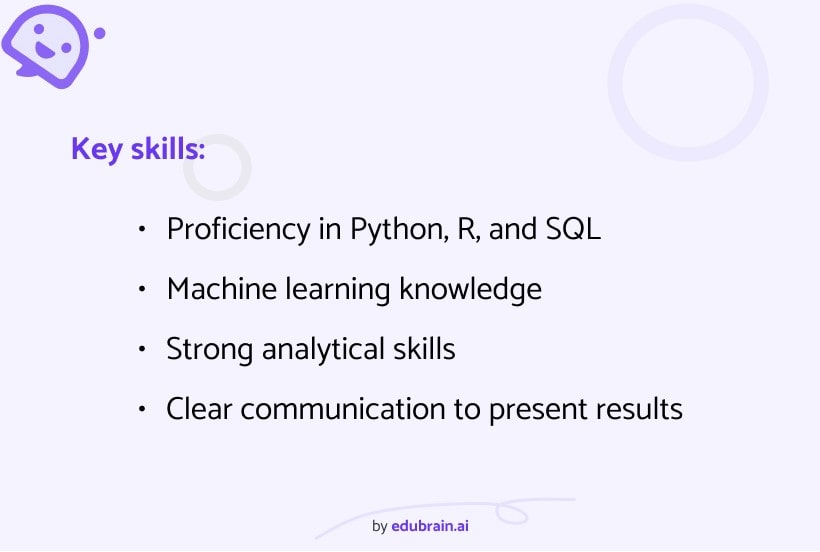
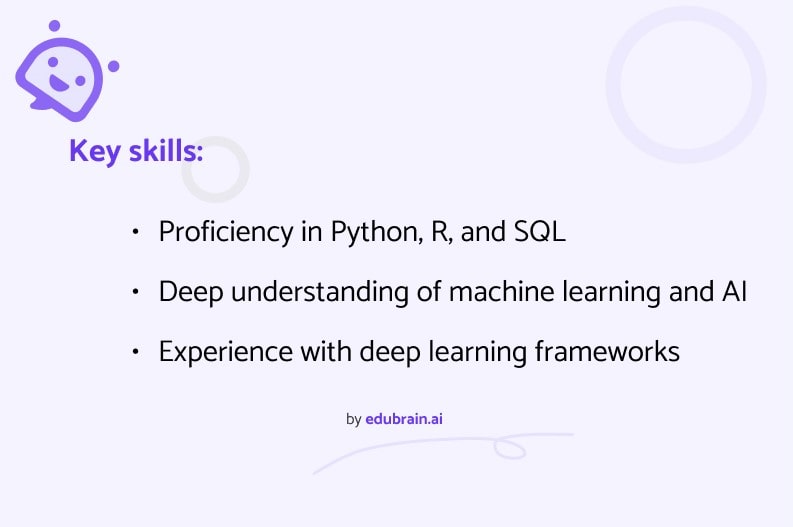
Machine learning engineers design algorithms that allow computers to learn and make data-based decisions. They work with large data sets to train models that can predict trends, recognize patterns, and automate processes.
Web Developer
Web developers use Python to build the back-end of websites and web applications. They connect the site to databases and handle user interactions. Python frameworks like Flask and Django make web development easier by providing pre-built structures.
Key skills:
- Knowledge of Python and web development frameworks
- Familiarity with HTML, CSS, and JavaScript
- Database management
Game Developer
Game developers use the basics of Python to design and develop interactive games. Python is used for tasks such as designing game logic, working with graphics, and creating game physics. Libraries like Pygame simplify many aspects of game creation.
Key skills:
- Python programming
- Knowledge of game design principles
- Experience with game development frameworks
Python skills open the door to many exciting careers in fields such as data science, development, and automation. It can help you achieve your career goals. It is great for building apps, analyzing data, and training machines to learn.
Conclusion: Your Python Learning Journey
Start learning Python today. Learning Python opens many doors. To learn enough Python to succeed, be patient. You’ll pick up Python eventually with consistent practice. You’ll get there! It may take months to learn Python, but the journey is worth it.
Mastering Python takes time, but you’ll gain confidence and skill with consistent practice. Engage with online communities, use tutorials, and build simple projects to apply your knowledge.
Explore Similar Topics
It is now clear that artificial intelligence is an integral part of our lives. It is transforming many industries, including...
Artificial Intelligence is now the centre of technological evolution. From healthcare to the automotive industry to finance and education, AI...