It is now clear that artificial intelligence is an integral part of our lives. It is transforming many industries, including...

10 Best Languages to Learn: Finding a Useful Language to Learn
Apps can help translate words for global communication and learn the language, but they miss the cultural understanding and meaning behind them. They ignore things like tone, body language, and culture. When you speak a language yourself, you connect better with million people. It shows you care and makes talking more real, whether ordering food, working with others, or meeting new people.
This year, knowing important languages will still help in many parts of life. Jobs in tech, business, education, and healthcare often need people who communicate in multiple languages. It also helps with everyday things, traveling to a new travel destination, and learning. Knowing a first language can improve your problem-solving, focus, and ability to remember things. Even a little knowledge can make a big difference if you want to advance your career.

Table of Content
ToggleBenefits of Knowing Popular Languages for International Business
Languages spoken by many people worldwide do more than help you talk. Knowing a second language, especially a widely spoken language, can help you stand out at work, school, and online in the business world. It also helps you understand how other people think and live. Many great philosophers say languages spoken shape the way we see the world. When you learn a new language, you also learn new ways to understand life. It’s not just about words, but how people make sense of things. Here is what you gain:
- Talk more with coworkers, neighbors, travelers, or classmates in the local language.
- Find more job options and business opportunities because many employers want people who speak more than one language.
- Think better; learning a language can help your memory and focus.
- Travel easier by understanding signs, menus, and customs when visiting UNESCO World Heritage sites.
- Learn about cultures through food, music, and daily life.
Most learners of new languages realize how clearer they have become in listening, thinking, and asking rightful questions. These minor adjustments tend to increase with time. The greater exposure to the highly spoken language, the more functional it becomes, and this is a great leverage in communication.
How to Choose the Right Language to Learn for English Speakers
Think about what is useful in your life right now. If many people around you speak Spanish, that’s a strong reason to learn it as the best language. If your job deals with clients in China or Germany, Mandarin or German could help you grow at work and act as an excellent language for business. Some people choose a language to learn because of family, friends, or travel plans. These are all good reasons to learn.

Also, think about what you can keep up with. Some languages take longer to master and can be a challenging language for English speakers. If your time is limited, start with one that feels like one of the easiest or more familiar to learn a new language. Look at the resources you have, maybe your school offers classes, you found places to learn via a helpful app, or you know someone who can support you. When schoolwork gets tricky, having help can make a big difference.
For example, a literature answer from AI can give clear and quick help with homework questions, making it easier to keep up and feel confident. Pick the best language to learn that you will use the most. That way, it becomes part of your daily life, not just something to study.
10 Most Useful Languages: Top Languages to Learn
Some languages are easier to use every day. Others help you get more job options or talk to people in many countries. If you are researching languages to learn in 2024, it makes sense to focus on the most important languages that millions of people use and that work in real life. You don’t need to learn several languages, just one that fits your career goals and that you will keep using.
Below are six languages that stand out this year, plus a bonus look at others. Each one is useful in different ways. Some are good for travel, others for work or school.
| Language | Time to Learn | Speaker Count | Key Regions |
| Spanish | 600–750 hours | 595+ million | Latin America, Spain, U.S. |
| Mandarin | 2,200 hours | 1.3 billion | China, Taiwan, Singapore |
| French | 600 hours | 320+ million | France, Canada, parts of Africa |
| Arabic | 2,200 hours | 375+ million | Middle East, North Africa |
| German | 900 hours | 130+ million | Germany, Austria, Switzerland |
| Portuguese | 600 hours | 260+ million | Brazil, Portugal, parts of Africa |
Spanish
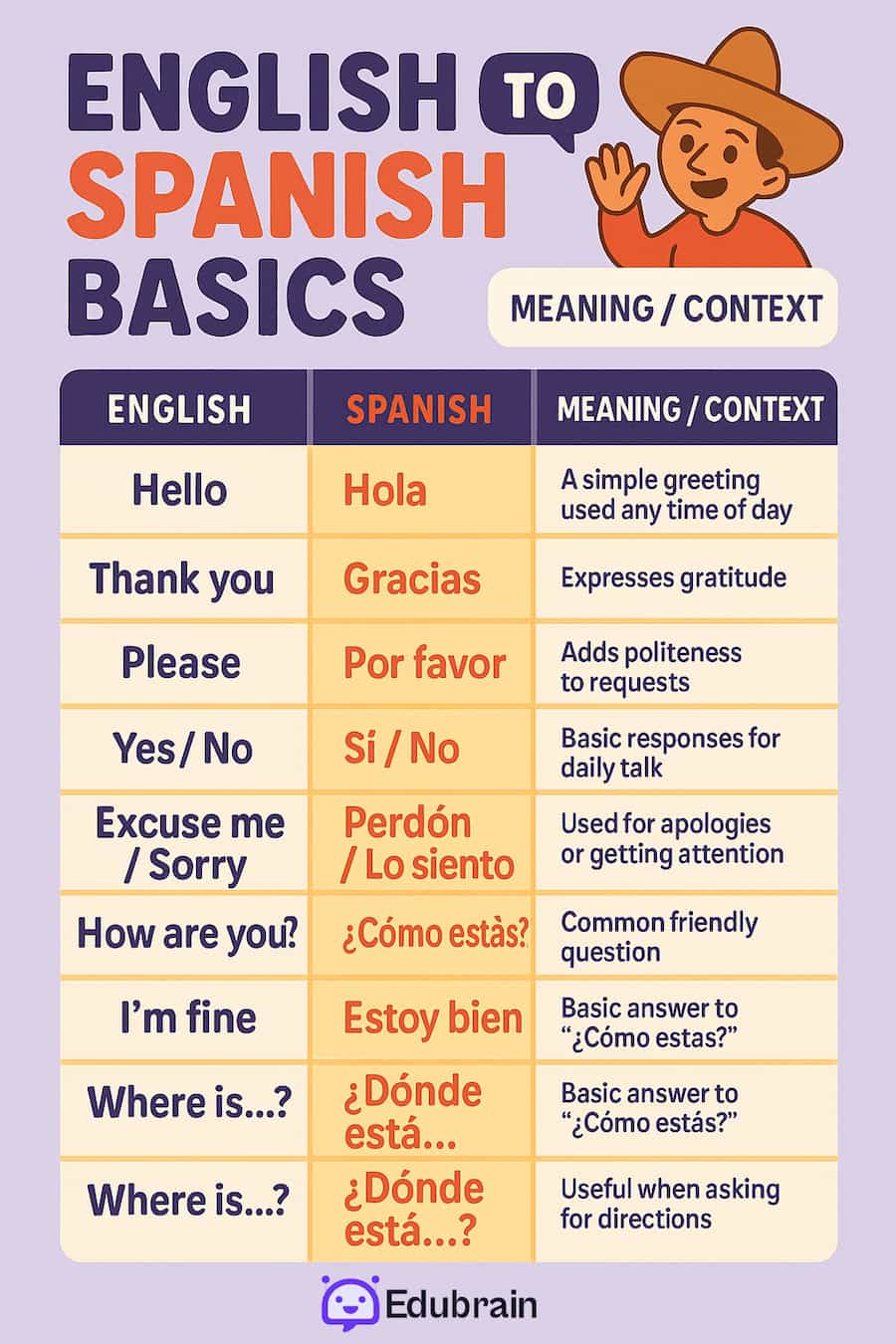
Spanish is the official language in many countries. It is also used often in the United States, especially in schools, hospitals, and customer service. For a native English speaker, it is highly accessible. You may hear it at work, in public offices, or on public transport. For many people, it’s a part of everyday life. You can find Spanish in many areas of daily life, on signs, public offices, schools, or in the media. If you have children, knowing the basics helps you support them or even help with Spanish homework.

Mandarin
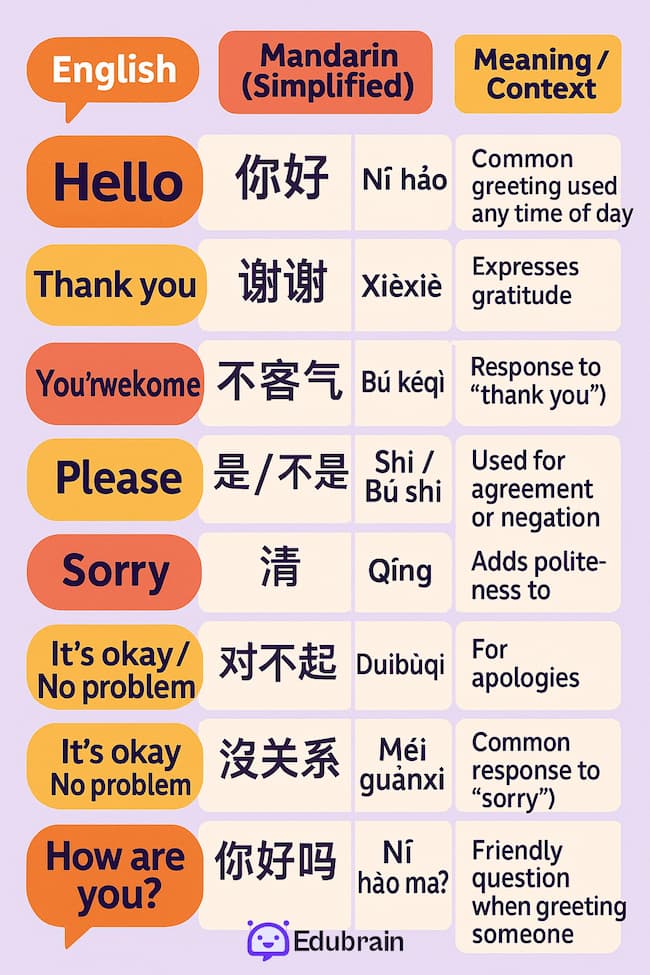
Mandarin is the most spoken language in the world by number of native speakers. It is the language of China, and it is also spoken in Taiwan and Singapore. Many businesses around the world are involved in trade, technology, and customer communication via Mandarin. Mandarin speakers are likely to be helped by having some basic understanding of words or phrases in case they have Chinese suppliers or business partners.

It is not a simple language to learn Mandarin, but one of the languages to learn for business and open new career opportunities. It contains tones and a writing system with characters rather than an alphabet. You do not, however, have to know them all. Simple reading requires approximately 2,000 characters. To begin with, apps, short videos, or beginner books are available. Mandarin is a good option when you have to work or plan to visit China.
French
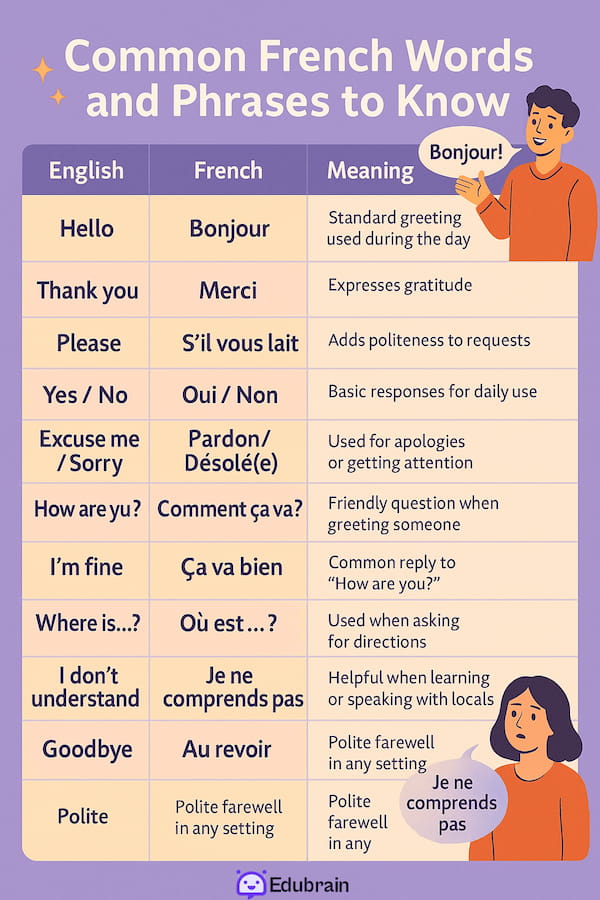
You most likely already have some knowledge of French, as people study some elements of this language at school. French is the official language in many organizations and is spoken in some areas of North America, Africa, and Europe. Nations such as Senegal, Canada, and Belgium use it in their daily lives, workplaces, and learning institutions. Besides, it is present in such careers as international aid, law, and diplomacy, making it a truly international language.

It will be easier to learn French when you already speak English, Italian, or Spanish due to the similarities of their grammar, as they are Romance languages. There is a good chance that many books, videos, and apps are at your disposal to support your learning.
Arabic
Much of the Arabic language is shared in most countries in the Middle East and North Africa; thus, it is imperative to understand the Arab world. It is one of the best languages and found in schools, in the news, and in the day-to-day life in Egypt, Jordan, Saudi Arabia, and Morocco. Arabic is required in some of the energy, security, translation, or international diplomacy positions.
Arabic is of different types. The majority of individuals start with Modern Standard Arabic, which is featured in books and news. Depending on the country, local versions of the language may sound quite different from each other. Learning Arabic is hard, but it opens doors to global business, traveling, and working throughout the world. Arabic is undoubtedly a useful language to learn.
German
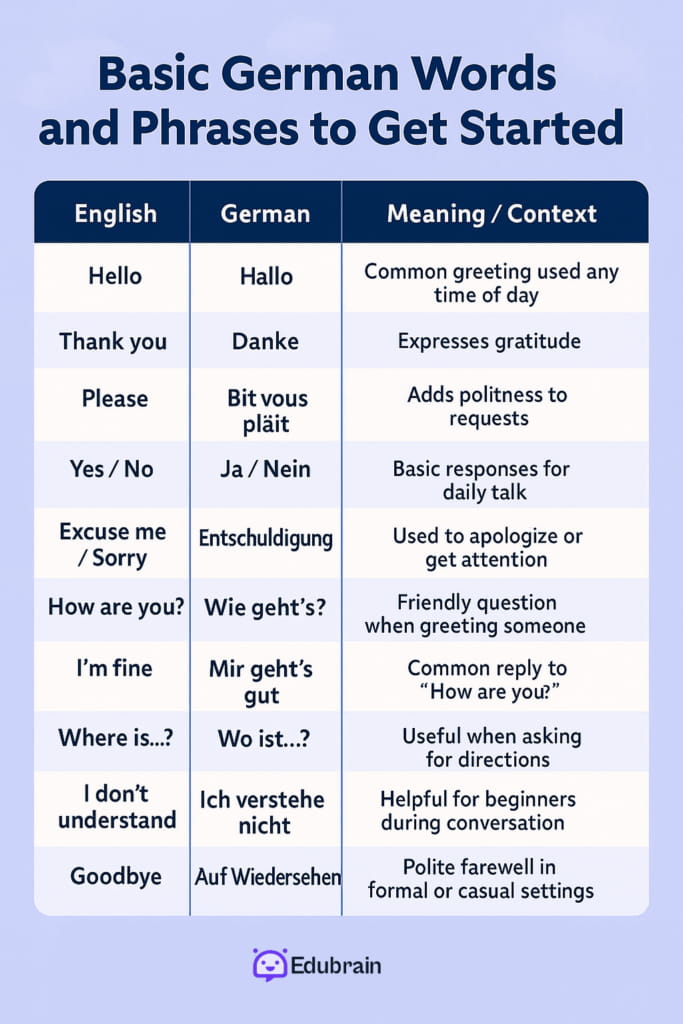
German is the most spoken native language in Europe. It is used in Germany, Austria, and parts of Switzerland. Many science, engineering, and finance jobs prefer German, primarily if you conduct business in Europe. German is also often used in global business, research, and academic writing, providing professional opportunities.
It takes time to adjust to the grammar, but there are helpful tools available. EduBrain offers AI-based features to help with reading, listening, and building vocabulary step by step. Even basic knowledge of German can be useful at work, in study programs, or when traveling in Eastern Europe and central Europe.

Portuguese
Portuguese is the official language in Brazil and is also used in Portugal and parts of Africa. Knowing Portuguese can be a key useful language if you work in trade, tourism, or education. Many companies do business with Brazil, so knowing Portuguese can be useful at work in the business environment.
You do not have to be fluent to begin using it. In case you are familiar with Spanish or French, then Portuguese can be more familiar to you. Basic knowledge of Portuguese will even be able to assist you to speak with other people, move with fewer challenges, or even fit into a discussion at work or school.
Hindi
If you want to explore beyond the above, Hindi is a massive player. Hindi is one of the most critical languages for the fastest-growing economies in the world. With hundreds of million speakers, Hindi is central to South Asian culture and trade, making it a top contender if you are looking for foreign languages to learn.
Start the Right Way to Learn a New Language
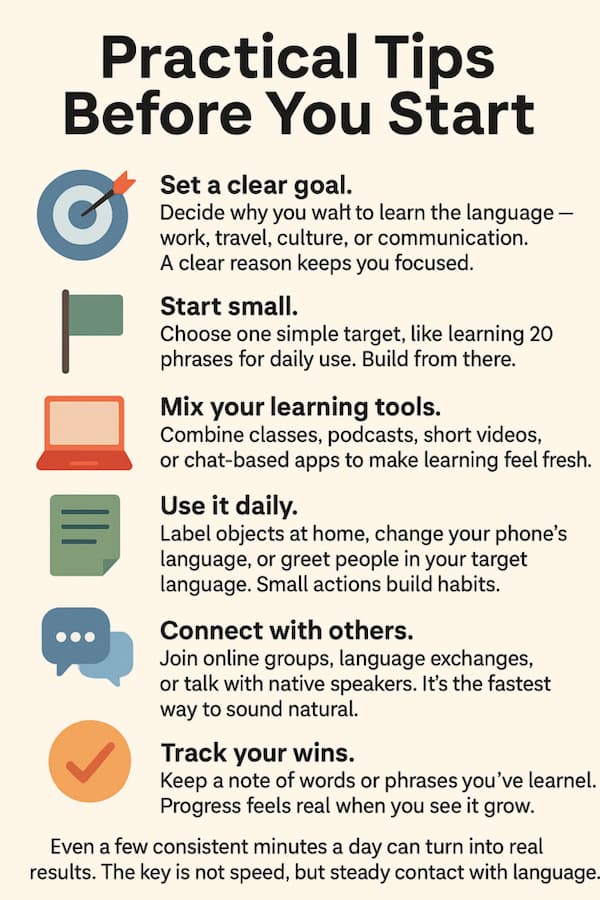
It’s easier to make progress when you begin with a clear plan to learn two languages or more. You don’t need to study for hours or follow strict rules. What matters is finding a routine that fits your day and staying with it. Here are a few simple steps that help you choose the best language to learn:
- Focus on just one language to learn at a time. This helps you stay organized and avoid confusion.
- Ten minutes daily works better than one long session once a week.
- Read, listen, and speak. Changing tasks helps you remember more.
- You will get things wrong. That’s how progress happens.
- Learn what native speakers use in real life, not just textbook terms.
If you want extra help while learning, using AI tools that give clear feedback and simple practice is useful. One option is the English AI helper, which helps you learn languages. It lets you practice short conversations, learn common phrases, and get quick responses based on your type. While it focuses on English, it also supports other languages if you want to work on something different.
Language Skills That Advance Your Career
Learning a new language is not helpful only when it comes to travels or studies. It may lead to employment opportunities. Multilingual employees are sought after by many industries, including government, healthcare, education, technology, travel, and customer service. When entering new markets, some businesses require language proficiency for international business. Others use it to better serve their communities.
Language skills are required for various jobs, including teaching, media, sales, and translation. Basic information can have an impact. Multilingual individuals frequently receive greater responsibility and career prospects for advancement in their careers.
Final Thoughts on the Best Language
Now is the perfect time to begin learning a foreign language. Don’t wait for the ideal moment or method to start. Choose a language that suits your needs and use it consistently. It will only get more difficult if you attempt to learn multiple languages at once. Do a little practice each day. Even a short period is beneficial.
Sometimes it’s better to study a bit frequently than a lot. Honor minor accomplishments, which include picking up a new word or comprehending a sentence. Be patient because learning a new language takes time. You will recover if you persist. Speaking a second language can benefit you in the workplace, on trips, and when interacting with new people. Take it one step at a time and begin today.
Explore Similar Topics
Python is considered one of the most accessible choices for students. Learning Python is highly sought after as a programming...
The landscape of higher education has experienced a monumental shift over the last decade. Today, you don’t need to relocate...