

AMA Citation Generator for AMA Style Citations
Are you sure you you want to delete all the citations in this list?
Why students use EduBrain for AMA citations

Match in-text numbers to the reference list
Superscript numbers only help when the list stays aligned. EduBrain outputs an entry you can place in the right order, then reuse the same number each time you cite that source again.
Start from DOI, PMID, URL, or ISBN
Clean input prevents the “same title, wrong paper” problem. Paste an identifier when you have one, then review the few fields that databases often misread.
Copy-ready AMA format with a quick review step
Author order, journal abbreviation, year, and pages—these details are the most common causes of fixes. Generate first, scan second, copy once.
AMA citations use numbers, not author names
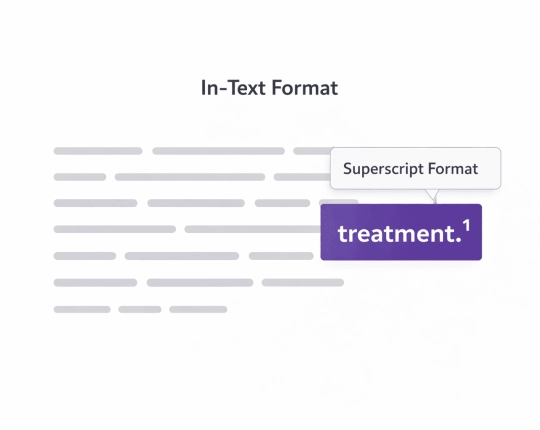
AMA is a numeric style. A small superscript number in your sentence points to one full entry in the reference list.
American Medical Association (AMA) style gets strict fast once you have 15–30 citations. One numbering slip breaks the link between in-text citations and references. This AMA citation generator keeps AMA references consistent, but do a quick field check before you copy.
Order matters here. The list usually follows the first appearance in the text rather than alphabetical order, so late edits can require a renumbering pass.
Multiple sources in one spot also follow rules. Commas separate numbers; ranges show a dash when the sources run in sequence. Most instructors care less about “pretty” and more about consistency.
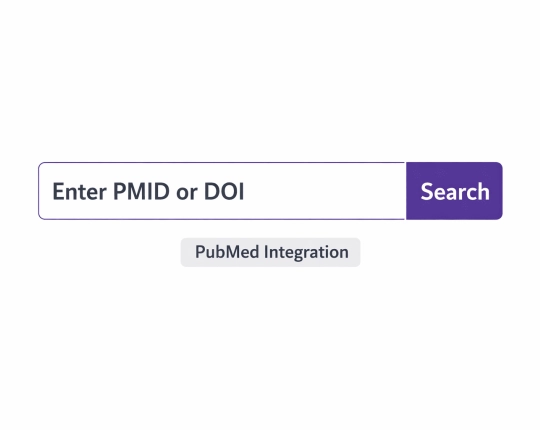
Create an AMA citation in EduBrain
Pick speed when the record is clean. Pick the manual when it is not.
- Set style to AMA
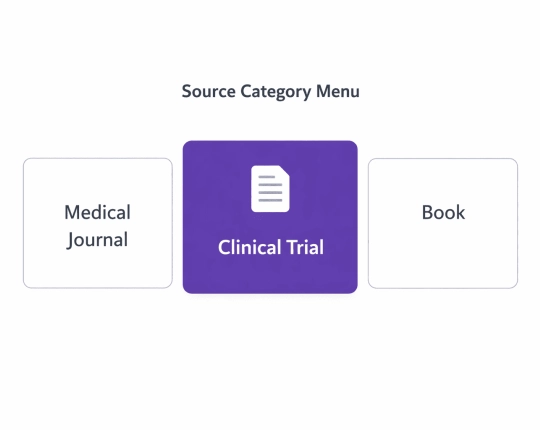
- Pick the source type
- Paste DOI/PMID/URL/ISBN (or use a title)
- Check the output fields, then copy the reference entry
- Add the matching in-text number where you cite the source
Older PDFs, conference slides, and institutional pages often have thin metadata. Manual input saves time in those cases, even if it feels slower at first.
What to check before the final copy
A generator can format; it cannot guess intent. A 15-second scan prevents the classic mistakes.
- Author names: keep the same spelling and order everywhere
- Year: use the publication year of the version you read (PDF vs online update)
- Journal name: many AMA guides expect the standard journal abbreviation
- Pages or article number: missing page range is a common deduction
- Many authors: follow your guide’s cutoff rule for long author lists
- Web sources: add “Accessed” date when your guide expects it
- First and middle initial: keep initials consistent when your guide abbreviates given names.
- Volume identification data: confirm volume/issue and any supplement notes before copy.
AMA citations for common source types
Journal articles
DOI or PMID usually pulls the cleanest record. After output, confirm author order, journal abbreviation, year, volume(issue), and page range (or article number).
Books and book chapters
ISBN helps, but editions and editors cause mix-ups. For chapters, include the chapter author or title, the book container details, and the page span.
Websites
Authorship can be unclear. Use the person when one exists; otherwise, use the organization, then add the page title, site name when relevant, URL, and the access date if required.
Guidelines, reports, and agency docs
Corporate authors show up a lot in medicine. Check issuing body, year, title, report number (if present), and a stable link.
Video and online media
Dates vary by platform. Confirm creator, title, date, platform name, and URL before copy.
AMA reference examples
In text: Hypertension rates rose in the cohort.^3
References:
3. Nguyen T, Patel R. Blood pressure outcomes in older adults. JAMA. 2021;326(7):650-658. doi:10.1000/jama.2021.12345.
In text: The guideline updates dosing rules.^8
References:
8. American Medical Association. Opioid prescribing guidance. Publication date 2023. Website name AMA. URL
https://example.org. Accessed March 3, 2024.
Explore More Citation Styles



 Unlimited AI homework help

 Diagram Generator, Flashcard Maker, Notes Generator, Research Assistant, Answer Generator, AI Homework Helper & AI Detector