

ASM Citation Generator for Quick, Numbered ASM Citations
Are you sure you you want to delete all the citations in this list?
Why Use This ASM Citation Generator

Build numbered ASM citations that stay aligned
ASM style is commonly used with numbered references: a number in your text points to one numbered entry in your References list. The biggest win is consistency—one source, one number, one matching entry.
Start from DOI, URL, ISBN, or title
When you can, paste a DOI for papers and an ISBN for books. For online material, use the exact URL you read (not a homepage). Title search works, but it’s where “same title, wrong source” happens most often.
Copy an ASM reference entry that survives a quick scan
Generate the entry, then check the fields that tools miss or swap: author order/spelling, year, title, journal/book/container, and the details that complete the record (pp., volume/issue, or other identifiers).

What an ASM citation generator does
An asm citation generator formats a source into ASM-style pieces: a numbered in-text cite and a numbered References entry. Many ASM-style guides show the in-text marker as a number in parentheses, such as (1), which corresponds to item 1 in the reference list.
The tool handles structure and punctuation; you handle accuracy—because it can’t know which version you actually used (PDF vs “updated” web page) or which template your course/journal expects.
How ASM citations work inside a paper
In-text citations
Place the citation number after the statement (1). Reuse the same number for repeat citations.
References list
The References list is typically numbered in the order the sources first appear in your text (not alphabetical). That’s why big edits late in the draft can force a quick renumbering pass.

ASM guidelines and specific rules for accurate ASM citations
ASM style is used in bioscience writing and is tied to the American Society for Microbiology. The latest ASM guidelines set specific rules for how ASM citations and ASM references should look across a paper.
If you want accurate ASM citations, treat the citation generator as a formatting tool, then verify the fields against the source.
Two habits keep the whole process stable in academic writing and research papers: citing sources you can verify and keeping citations consistent from draft to submission.
- Use the same citation style across the paper so citations don’t “switch voices.”
- Keep ASM citations consistent across sections: same author order, same year published, same work.
- For websites and other online resources, don’t rely on a homepage—use the exact document you used and confirm the date shown.
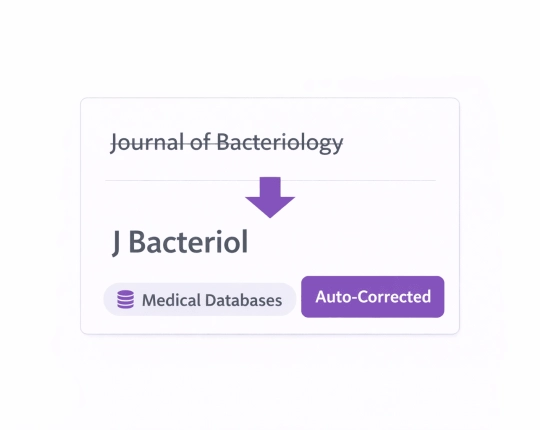
- Check publications from major databases carefully; the tool can pull near matches.
- If the record looks thin, use manual entry—this tool step saves writing time later.
- Keep your references clean: citations in text should match references at the end.
- If you’re comparing styles (APA vs MLA vs Chicago style), don’t mix them inside one paper—pick one citation style and keep citations consistent.
- If you need to mention competitors for context, you may see tools like a Scribbr citation generator, but the goal here is still ASM citations that match ASM guidelines.
- If your plan supports it, you may be able to easily export citations; if not, copy/paste works.
Quick steps in EduBrain
- Set the citation style to ASM.
- Choose the source type (Journal article, Book, Website, Report, Other).
- Paste a strong input (DOI / URL / ISBN). Title search if needed.
- Generate → review the key fields → copy the References entry.
- Add the matching in-text number in your paragraph.
Checks before you copy
A generator formats fast—and repeats mistakes fast. Do a short scan:
- Authors: spelling + order (match the PDF header/title page when possible)
- Year: use the year for the version you actually cite
- Titles: keep the title exactly tied to the correct source
- Journal/book container: journal name (or book title), publisher details when relevant
- Location fields: only if your guide expects them
- Pages/article number: don’t leave the entry “too short”
- URLs: use the exact pagination you read; add an access date only if required
ASM citations by source type
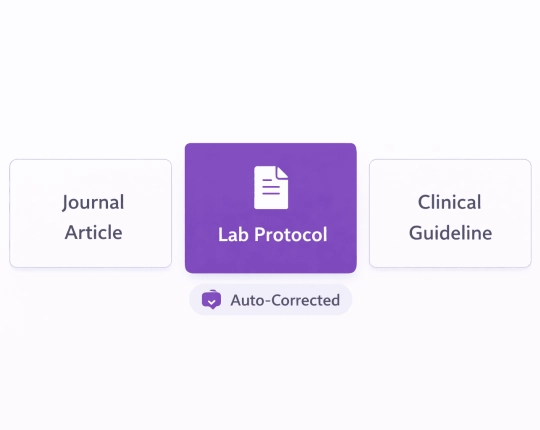
Journal articles
Best input: DOI. After output, verify author list, year, article title, publication title, and pages/other numbering details.
Books and edited volumes
Best input: ISBN. Editions and edited books are where metadata gets messy—double-check the title page details.
Web pages and online documents
Use a clear author (person or organization) and the specific pp. URL you used. Many templates show the numbered in-text cite plus a numbered References entry, so the same “(1) ↔ 1.” matching rule still applies.
Reports, standards, and lab documents
If the issuing body is the “author,” keep that organization’s name stable across the entry. These sources often need manual cleanup.
ASM citation examples (templates)
These are templates—swap in your source details and keep the numbering consistent with your paper.
In-text:
…supports the conclusion (1).
References:
- Author Surname Author Initial. Year Published. Title. (Container details as required).
Explore More Citation Styles



 Unlimited AI homework help

 Diagram Generator, Flashcard Maker, Notes Generator, Research Assistant, Answer Generator, AI Homework Helper & AI Detector