



Are you a high school student curious about chemistry? Many summer programs are available to help you explore this exciting...

Cheapest Universities in Canada for International Students This Year
Canada is one of the best places for any international student who wants to study in a safe and welcoming country. Many people worldwide come here because universities in Canada combine an affordable tuition fee with a world-class education. You can find some of the cheapest colleges in Canada and North America without giving up good academic standards. Whether you are interested in a business MBA, computer science, or health sciences, there are many choices to match your goals.
I will help you understand everything you need to know about navigating Canada for international students. You’ll see details about graduate programs, tuition costs, and how much it costs to live in major cities. If you are looking to study abroad and want to get an excellent international education at an affordable price, Canada has many opportunities waiting for international students.
Table of Content
ToggleCheapest Universities in Canada. Overview
| University Name | Location (Province) | Estimated Tuition (CAD / Year) |
Cost Drivers & Notes
|
| Memorial University of Newfoundland (MUN) | Newfoundland and Labrador | $4,500 – $11,500 |
The absolute cheapest option in Canada. The $4,500 end represents graduate programs, while undergraduate degrees hover closer to $11,500.
|
| University of Northern British Columbia (UNBC) | British Columbia | $5,000 – $15,300 |
Highly affordable for Master’s students (starting around $5,000). Undergraduate degrees and specialized engineering programs hit the higher end.
|
| University of Guelph | Ontario | $4,800 – $25,000 |
Graduate programs are heavily subsidized, starting under $5,000. Undergraduate programs are steeper, starting around $11,000 to $25,000 depending on the major.
|
| Brandon University | Manitoba | $7,200 – $15,000 |
One of the most affordable options specifically for undergraduate students, with many Bachelor’s programs starting at just $7,200.
|
| University of Manitoba | Manitoba | $7,500 – $17,500 | Excellent value for one of Canada’s top research institutions. The lower cost of living in Winnipeg makes it highly competitive. |
| University of Saskatchewan | Saskatchewan | $8,000 – $20,000 |
Master’s and PhD programs start on the lower end ($8,000). Undergraduate degrees in arts and sciences sit in the middle.
|
| Simon Fraser University | British Columbia | $9,000 – $15,000 | Very competitive pricing for an MBA or Master’s, though the Vancouver area has higher living costs. |
| University of Regina | Saskatchewan | $12,000 – $18,000 |
A mid-sized city option with predictable, lower-end tuition for standard Bachelor’s degrees like arts, education, and software systems.
|
| University of Prince Edward Island (UPEI) | Prince Edward Island | $13,000 – $17,000 | Consistent pricing combined with some of the lowest living expenses across Canada. |
Why Study in Canada: Top Universities and the Student Community
Many international students choose to study in Canada instead of the US or the UK. One reason is that Canadian universities have a strong record for world-class standards. Canada offers programs that teach real skills for real jobs, ensuring students get clear pathways to grow their knowledge. As a popular study abroad destination, here is why Canada stands out:

- High Academic Excellence: Top universities maintain high standards. While institutions like McGill University and McMaster University are globally famous, even the cheapest universities in Canada follow strict quality rules.
- Research-Intensive Courses: Public research institutions run big projects. Students can enrol to work with professors who lead these projects using modern labs.
- Safe and Multicultural Society: Canada welcomes students and respects different cultures. Cities have a vibrant student community with many groups and clubs.
- Wide Range of Programs: You can pick bachelor’s, master’s, and doctorate programs in computer science, social sciences, or health.
To help students succeed, universities provide support services, language help, and online resources like the EduBrain answer generator. For students seeking quality education, making the journey to Canada is a top priority.
Average Tuition Fee and Cost of Living in Canada
The cost of living in Canada and your average tuition depend entirely on your program and location.
Tuition rates for undergraduate programs range from $7,000 to $25,000 each year. Public institutions often offer affordable tuition fees for the arts, while engineering costs more. Graduate international tuition ranges between $4,000 and $20,000 per year. A doctorate costs about $5,000 to $25,000, but students seeking a PhD often receive funding.
Your living expenses also depend on the city. British Columbia has higher rent, while provinces like Quebec or Manitoba offer a much lower cost of living. Monthly cost of living averages for an international student in a large city look like this:
- Student housing: $800-$1,500
- Food: $300-$600
- Transport: $100-$150
- Textbooks and supplies: $50-$200
- Health insurance: $70-$100
Students must purchase private health insurance or enroll in a provincial plan before classes start. Health insurance for international students covers doctor visits and hospital care, which is crucial. To manage the average tuition fee, many learners use part-time work or buy used books.
Affordable Universities in Canada for International Students
There are many universities in Canada for international learners where the annual tuition is incredibly competitive compared to other study abroad destinations. These public institutions welcome international students and Canadian students alike.
This section shows some of the most affordable universities in Canada. Each school has programs, research opportunities, and support that help you finish your degree. You can read about each university’s offers and see which matches your plans.
Memorial University of Newfoundland

Memorial University is in St. John’s. Memorial University (or Memorial University of Newfoundland) has some of the lowest fees for international students across Canada. Many Canadian universities offer great science programs, but Newfoundland provides incredible value. Tuition for most graduate programs starts at $4,000 per year. The school offers sessions about work permit rules and visa regulations.
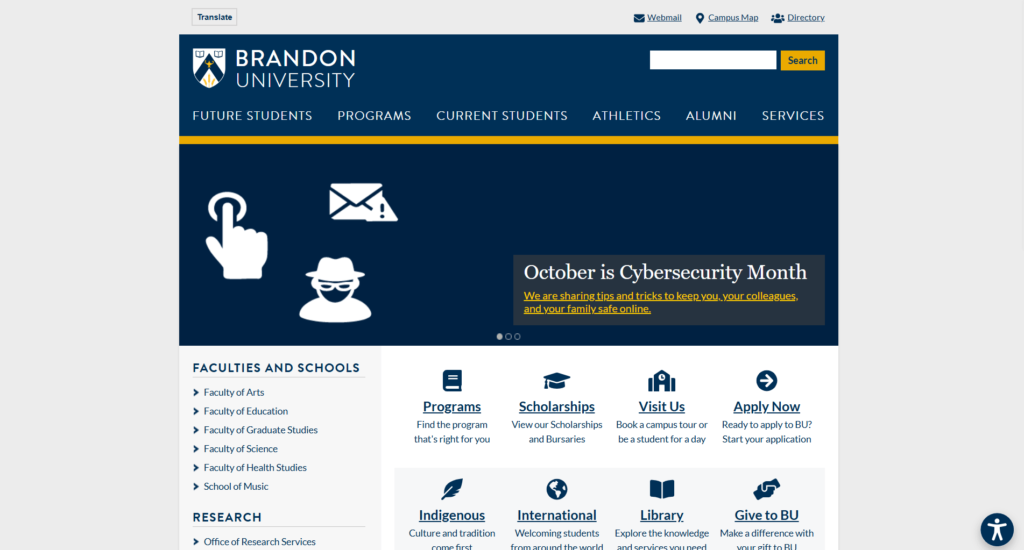
Brandon University

Brandon University is a public research institution in Manitoba. It boasts low tuition for undergraduate and graduate programs. With small class sizes, you can talk to teachers often. Students pay about $7,000 per year. Manitoba offers excellent services for international students, helping with health plans and study plans.
Many live in campus housing or rent nearby. Meal plans are offered for easy food access. Manitoba international students get help with health plans, work permits, and study plans. The campus has a library, labs, and music spaces. Students can work part-time on campus in offices, labs, or food services to help with costs.
University of Northern British Columbia

The University of Northern British Columbia is in Prince George. Tuition is $5,000 to $10,000 per year for most programs. You can choose from degree programs in business administration, computer science, or health fields. Prospective students choose this school for its affordable education and strong support with a study permit.
The school offers undergraduate and graduate programs with clear course guides. International students receive help with housing, insurance, and visa documents. The campus has labs, a library, and areas for student events. Students can join research teams or community projects. Many students choose this school for its affordable education and support with study permits.
Athabasca University (Online)

Athabasca University offers online degrees. It is highly flexible for global students who need to study while working. Programs include bachelor’s degrees and master’s degrees in business and technology. You can study while working or caring for your family. The school has academic assistance through phone, email, and online chat. Programs include bachelor’s degrees, master’s degrees, and graduate certificates in business, health, and technology. Athabasca has advisors who help you plan each course step.
Concordia University

Concordia University is in Montreal. Concordia offers excellent programs for international students enrolled in business, arts, and engineering. Tuition costs stay lower than in many large cities. Concordia offers robust support with visas, housing, and insurance.
Other Notable Institutions

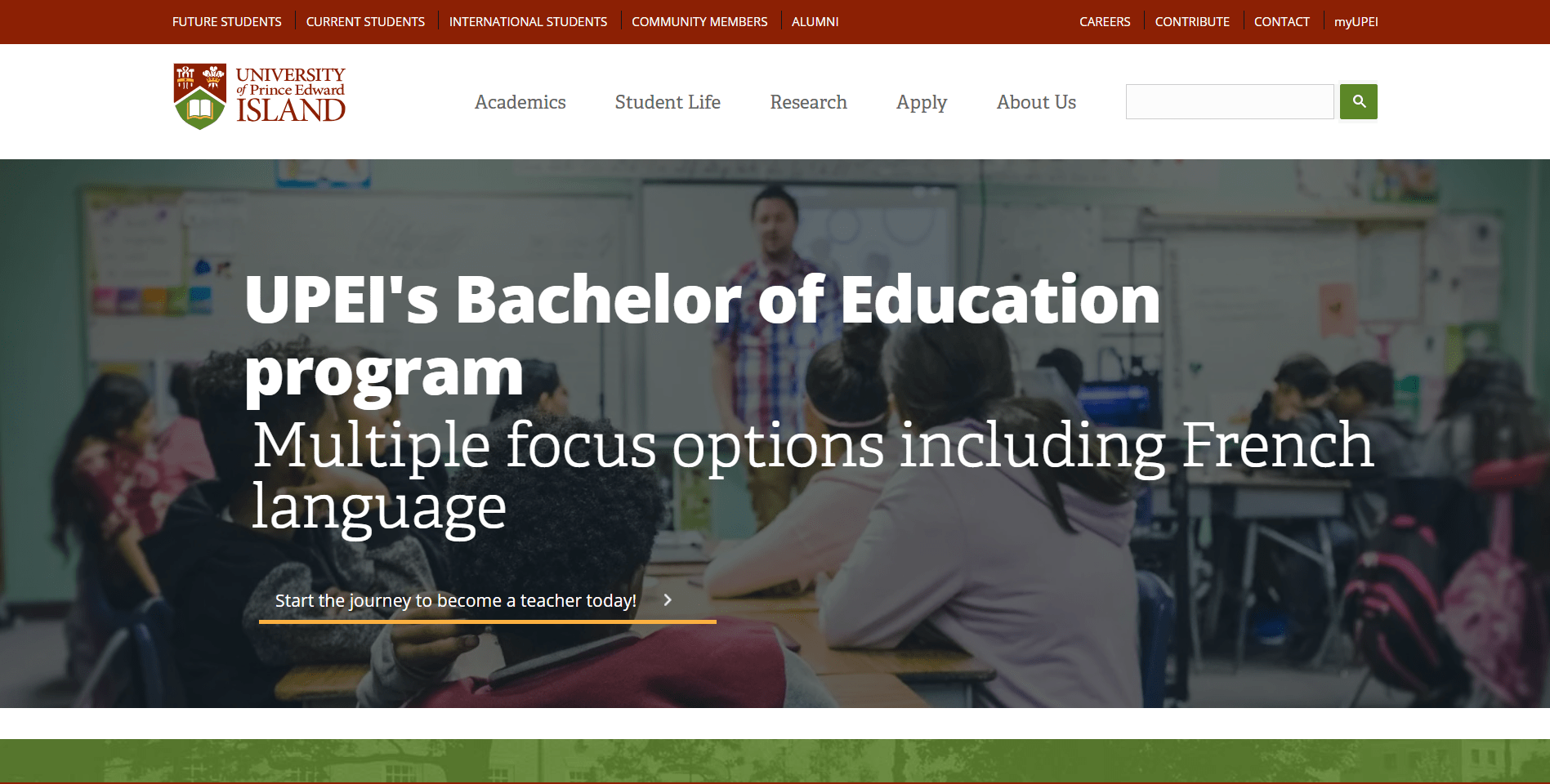
The University of Prince Edward Island offers nursing, science, and education programs with tuition starting at $7,000 per year. Students can live on campus or rent nearby, and there is support for health plans and work permits. In Alberta, some schools have tuition under $10,000 per year for agriculture, business, and health programs. Many universities in smaller cities keep fees below the national average to make studies more affordable. Across Canada, students can get help with housing, study permits, and part-time work. They also use writing centers, language labs, and online tools like EduBrain and Grammarly to find answers, build skills, and stay on track with their studies.
Scholarships, Funding, and Financial Aid
Many students choose different ways to pay their tuition fee. The Ontario Graduate Scholarship is one option available for international students. Universities offer scholarships that depend on your marks and study plans. Most institutions also provide a standard scholarship, bursaries, and grants.
Scholarships and financial aid are crucial. Students from other countries can check if their home government offers scholarships and grants for a study abroad program. Furthermore, the Canadian government allows international students to work up to 20 hours each week during classes and full-time during breaks. You can save money and eventually apply for a post-graduate work permit to gain local experience. Online tools such as the EduBrain chemistry solver help with study questions. This can save time if you want to work more hours. You can cover your costs and finish your program with planning and the right support.
How to Apply: Student Visa and Permit to Study in Canada
You must follow clear steps to apply to colleges in Canada for international students. Starting early allows you more time to secure your student visa and permit to study in Canada.
- Collect your documents: You will require your previous study transcripts. These have to be copies written in English or French. Some universities will request grades from the past 2 or 3 years.
- Show your language skills: Most schools require IELTS or TOEFL scores to prove you can study in English or French. Some programs ask for higher scores, so check the details for each course.
- Prepare proof of funds: You must show enough money to pay tuition and living costs. A bank statement or a letter from a sponsor is common. Most schools expect proof of at least $10,000 to cover daily expenses.
- Get health insurance: Some provinces offer public health plans. You must organize health insurance for international students before classes begin. This insurance covers doctor visits, hospital care, and prescriptions.
- Fill out the application: Select your program, upload documents, and apply for your study permit. Many schools also ask for a short letter about why you want to study in Canada. You can include reference letters from teachers or employers.
If you studied in another country, you can request to transfer credits. International students transfer credits by sending course lists, transcripts, and sometimes detailed course descriptions. The university will check if your past classes match their requirements. This can save you time and money.
Life as an International Student: Student Community and Support
Life in Canada can be exciting. To help you settle, programs to help students integrate are heavily funded. These cultural integration programs provide workshops and events. A vibrant student community organizes trips and social activities, providing a welcoming environment. However, if you find studying difficult, you can use the AI flashcard maker, a quick way to review and remember important information, saving time and allowing you to focus more on your new life.
When it comes to living, most learners prefer on-campus accommodations or renting shared apartments to save cash. Canada as an international student is highly rewarding if you wisely arrange your time, utilizing tools like an AI flashcard maker to review information quickly, allowing you to focus on your new life.
Conclusion
Canada is a phenomenal option for anyone wanting an affordable, high-quality international education. Many Canadian universities offer competitive tuition costs while maintaining strong academic standards. Whether you are looking for affordable undergraduate programs or cheap master’s degrees, available to international students, Canada has a wide range of options.
The country provides a welcoming environment for international students in Canada, with plenty of services for international students to help you succeed. From cultural integration to navigating your work permit, Canada makes adjusting easier. If you are ready to explore universities in Canada, start your application process early and confidently begin your educational journey.
Explore Similar Topics
International relations is the study of the international interactions between states and non-state actors, such as international organizations and multinational...
Getting an education is a complex task for all students, especially for those who are disabled. Such students have to...