

Organic chemistry often has a reputation for being one of the most challenging subjects in the field of science. For...

General Chemistry 1: The Self-Paced Chem Online and Lab Courses Guide
The background of chemistry influences almost everything, from how we cook to how we use medicine. It is vital for understanding the physical world. Recently, there has been a significant shift from traditional classroom learning to a general chemistry online format. This transition has made it possible for anyone to access a first semester general chemistry curriculum, regardless of location or schedule.
Whether you are looking for a general chemistry I online course or trying to find a completely online online course with lab components, students can now learn at their own speed. This flexibility can help make tough topics easier to understand. As digital methods become more common, chemistry online is proving essential for broadening access to this crucial science.
Table of Content
ToggleCourse Information: An Introduction to General Chemistry
Reviewing the course information and course syllabus is the first step before you enroll. A standard introductory course is built to outline the fundamentals of chemistry. You will find that the course is designed to introduce students to both the chemical and physical properties of matter.
Before starting your coursework, it is helpful to check the prerequisites. Usually, a strong grasp of basic algebra and scientific notation is the only strict prerequisite. A standard chemistry lecture or lecture course in this format teaches the fundamentals using open-source materials like OpenStax, saving you money on a textbook. The course content covers everything you need, ensuring your learning experience is seamless as you dive into the principles of chemistry.
Learning Objectives: Atomic and Molecular Structure
The learning objectives of any solid course designed for beginners will focus on how matter is built. General chemistry examines the minutiae of substances, breaking them down into elemental parts.
Atoms and the Periodic Table
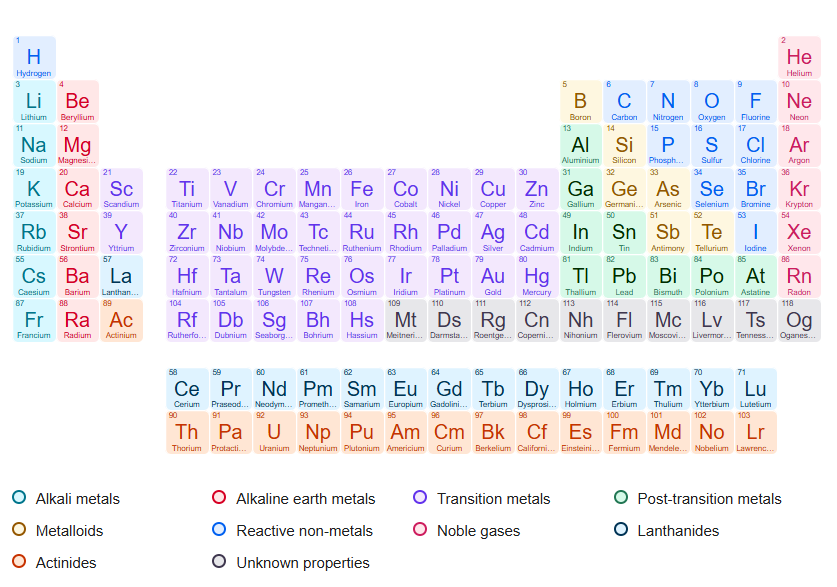
Every atom is a fundamental unit of matter. Understanding atomic properties and the atomic theory is crucial. The periodic table arranges these elements by atomic number, helping us understand trends in atomic radius and reactivity.

This organization helps predict how an electron behaves when elements interact.
Chemical Bonding and Molecules
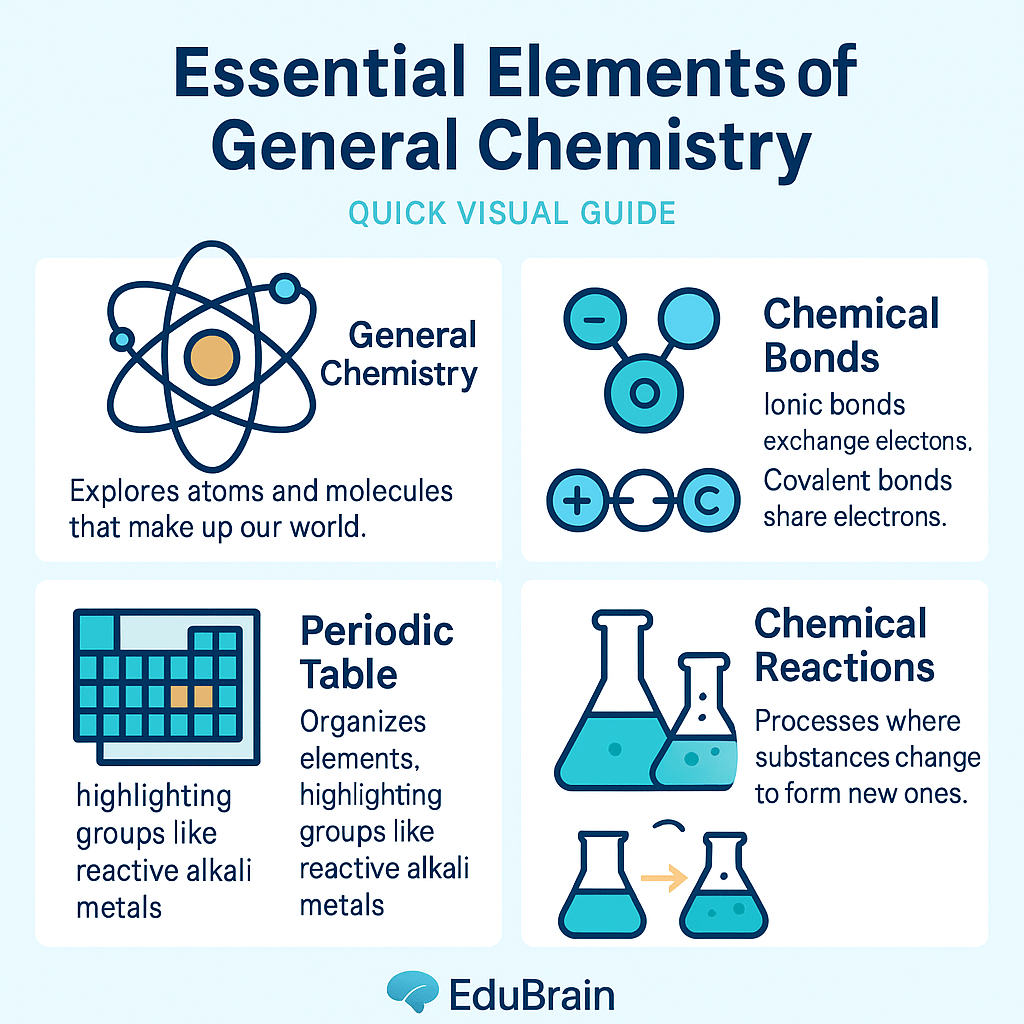
Atoms connect using various bonding methods. When an electron is transferred, an ionic bond forms. When electrons are shared, a covalent bond forms. Understanding atomic and molecular structure allows chemists to predict molecular geometry using Lewis structures.
- Ionic Bonds: These are formed through the transfer of electrons from one atom to another, creating ions. For instance, sodium (Na) transfers an electron to chlorine (Cl), forming NaCl, or table salt, where Na becomes positively charged and Cl negatively charged.
- Covalent Bonds: These involve the sharing of electrons between atoms, as seen in carbon dioxide (CO2), where each oxygen atom shares electrons with a carbon atom.
- Metallic Bonds: These are seen in metals like iron or gold. They involve electrons that float freely around a lattice of metal ions, allowing for properties like conductivity and flexibility.
These models visually map out the molecular structure, which in turn dictates the intermolecular forces acting between molecules. These forces directly determine the states of matter, whether a substance is a solid, liquid, or gas, as well as phase changes mapped out on phase diagrams during phase transitions.
Reactions, Thermodynamics, and Kinetics
A chemical reaction occurs when substances interact to form new products. To balance these reactions, students use stoichiometry, relying on precise mathematical notation to ensure mass is conserved.

You will also explore energy. Thermochemistry and thermodynamics delve into enthalpy and entropy. Understanding enthalpy (heat), entropy (disorder), and Gibbs free energy determines if a reaction will happen spontaneously. Meanwhile, kinetics explores how fast that reaction will occur.
Finally, a strong foundational course will offer an introduction to organic chemistry, giving a brief glimpse into organic chemistry and organic and biochemistry principles that are vital for future medical or environmental study.
Enroll in a Self-Paced Online Course
One of the greatest benefits is that the course is self-paced. An online general chemistry class allows students to access course materials anytime. A self-paced online course is ideal for those with other commitments.
- Flexibility and Accessibility: Students can access course materials anytime, which is ideal for those with other commitments like work or family. This feature allows learners to progress at their pace and review topics as necessary. It also suits those with mobility issues or a preference for home-based learning.
- Variety of Resources: These resources include video lectures that can be paused and replayed, 3D models of molecules, and real-time interactive simulations of chemical reactions. Quizzes and problem-solving exercises provide immediate feedback, assisting students in tracking their understanding and progress.
- Tailored Learning Experiences: Online courses often incorporate adaptive learning technologies that adjust the educational content to fit the student’s learning pace and style. Analytical and AI tools find students’ tough spots. They provide focused resources and support to help. Tools, like the best AI for chemistry, can help solve problems, explain concepts, and guide learners, step by step, through complex topics.
- Access to Expert Knowledge: Online learning opens up access to lectures and materials from leading global experts and educators, which might be unavailable in a traditional classroom setting. This access lets students learn from famous chemists and researchers. They gain insights into the latest industry trends and research.
If you get stuck, analytical tools and an online tutor can help identify your tough spots. They provide focused resources for problem-solving. Online learning offers great benefits, making it an accessible way to master chemistry concepts.
Chemistry for Science Majors: Real-World Applications
Chemistry for science majors goes beyond textbook theory. The course offers practical knowledge that applies directly to a variety of science careers. Chemists apply their knowledge of molecular interactions in medicine to create life-saving drugs. In environmental science, understanding a fundamental chemical bonding process aids in cleaning up water pollution.
Because this material is so critical, the course requirements often include virtual labs. These labs ensure that students grasp the practical application of the theory, connecting classroom fundamentals of chemistry to real-world phenomena.
Course Description: Virtual Tools Taken Online
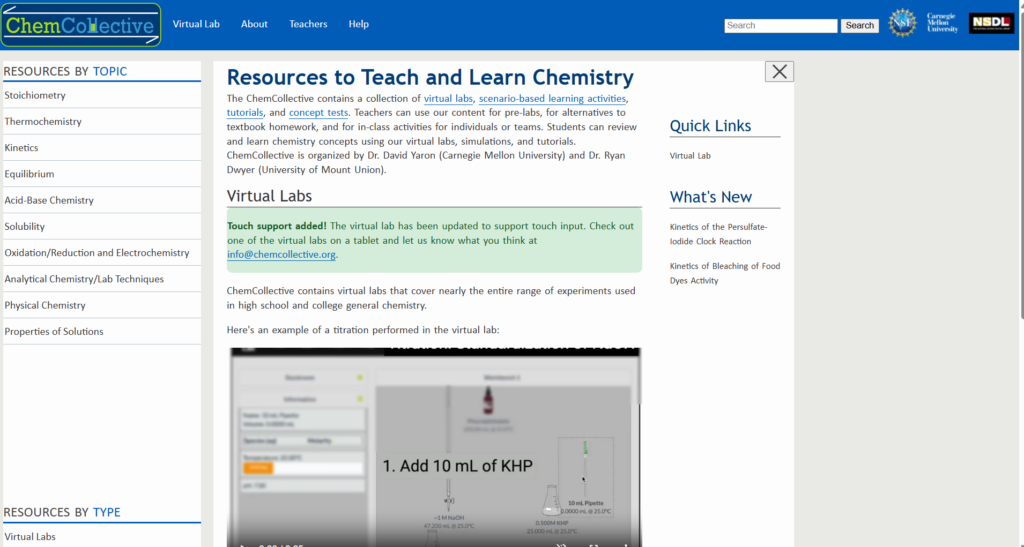
The course description for classes taken online usually highlights an array of digital tools. In a traditional setting, students mix substances and watch how reactions happen. While an online platform lacks a physical lab, the course provides interactive simulations, such as PhET interactive labs or ChemCollective.
These platforms help students study theory and run virtual experiments. Students can adjust temperatures, test gas behavior, and observe reaction speeds without any physical risk.
| Platform | Main Feature | Best For |
| EduBrain | Step-by-step problem-solving | Homework help, exam prep |
| Khan Academy | Video lessons with practice questions | Learning core topics at own pace |
| Coursera | Full university courses | Structured learning, long-term study |
| PhET | Interactive chemistry simulations | Visualizing reactions and structures |
| ChemCollective | Real-world chemistry scenarios | Applying theory to practice |
| YouTube | Clear video explanations by educators | Quick topic review, alternate explanation |
- EduBrain

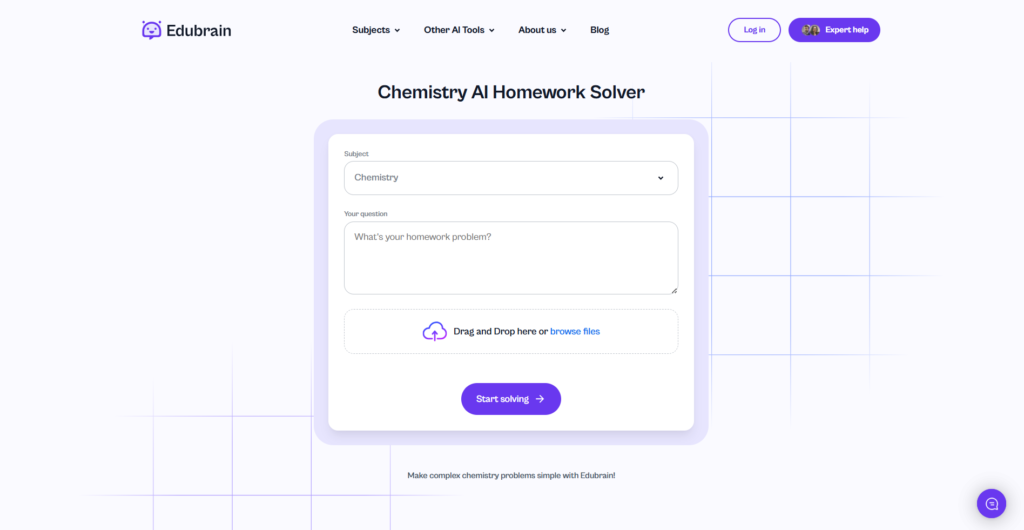
EduBrain helps students solve chemical problems using clear steps. It supports topics such as balancing equations, identifying compounds, and writing chemical formulas. Each solution includes an explanation of how the answer is found, helping students understand the full process, not just the final result. EduBrain can be used for homework, practice, or checking answers before exams.
- Khan Academy

Khan Academy provides a full chemistry course consisting of short video lessons and practice questions. Each topic includes videos followed by exercises to check understanding. Students can track progress and return to earlier topics at any time. Subjects covered include atomic structure, reactions, acids, bases, and more. The content is organized into small parts so that students can focus on one topic at a time.
- Coursera

Lessons include recorded lectures, readings, quizzes, and assignments. Some courses also include lab simulations or final projects. Students can choose one course or follow a full path in a subject area. Coursera allows flexible scheduling, so learners can study when it suits them.

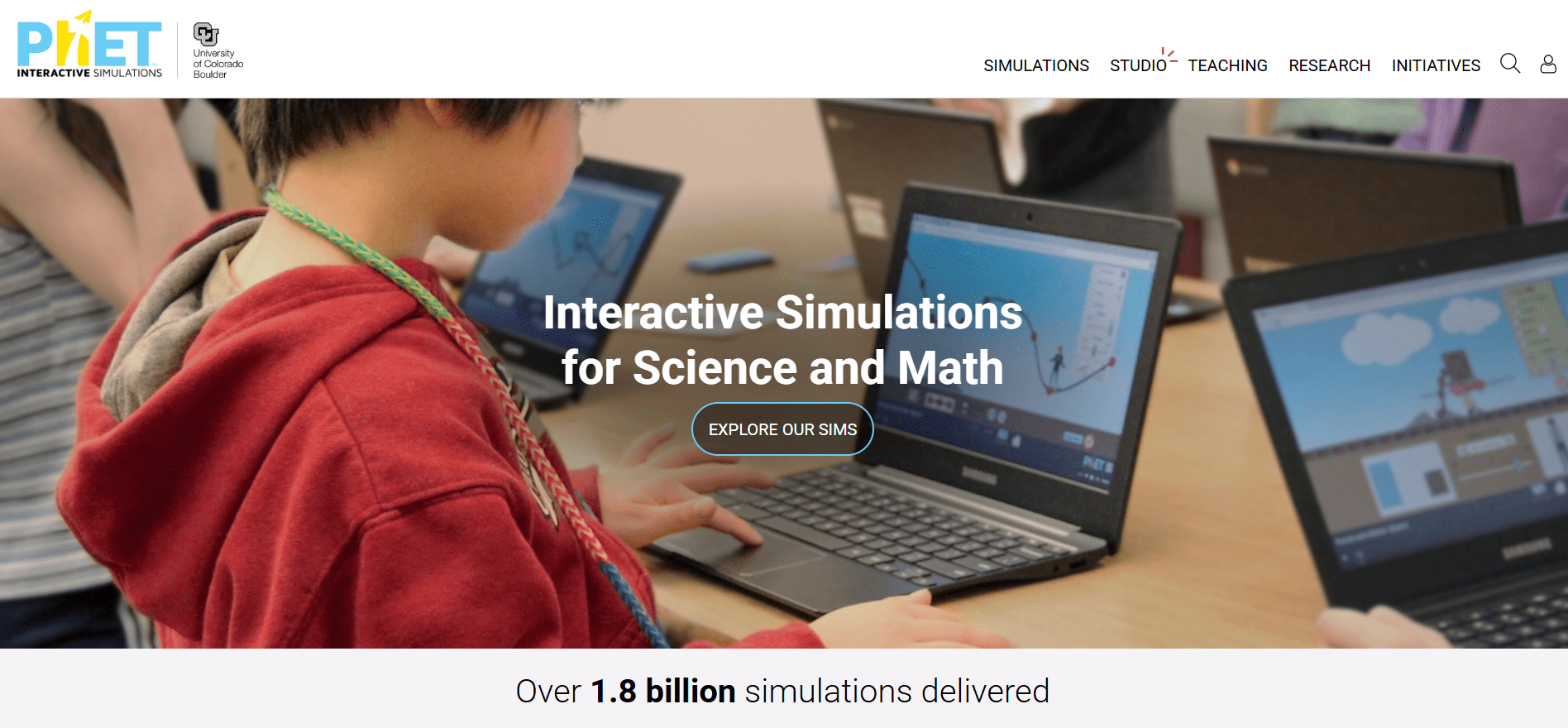
Users can change variables, mix compounds, and see what happens in real-time. Topics include gas behavior, molecular shapes, bonding, and solutions. The simulations are available in many languages and can be used with or without teacher guidance.
- ChemCollective

ChemCollective offers a virtual lab where students can run chemistry experiments on screen. It also includes real-world scenarios such as testing water or checking food samples. Students measure outcomes, adjust conditions, and record results. This helps connect classroom theory with how chemistry works in daily situations.
- YouTube

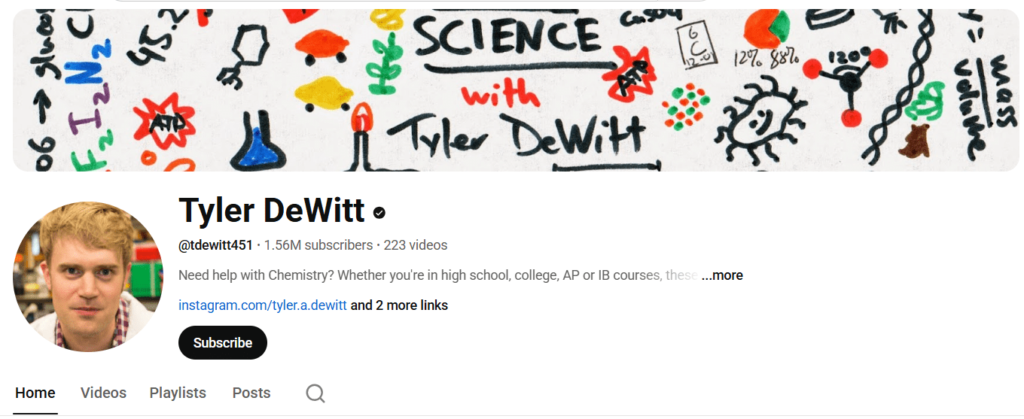
YouTube channels such as Tyler DeWitt and CrashCourse offer chemistry lessons. They use clear speech, helpful examples, and engaging visuals. Instructors cover topics one at a time. This approach helps students review before tests. It also gives them a new perspective on tough subjects. Many videos also cover experimental observations, and common mistakes, and offer tips for solving problems.
Virtual Practice in Online Chemistry
Online courses do not include physical labs; students can use virtual labs and simulations instead. These tools allow students to mix chemicals, change conditions, and see reactions on screen. Platforms like PhET and ChemCollective offer labs on gas laws, reaction speed, and covalent bonding. Students can repeat tests, change solution concentrations settings, and collect results without any risk.
Many schools and universities use these tools in their courses. In one case, students used a titration simulation to study acid–base reactions. They compared their results to data and joined in class discussions. At a university, students used a virtual lab to test chemical equilibrium. They adjusted temperature and concentration and watched how reactions shifted. Another group used simulations to review for exams. They worked on bond types and reaction timing. These students had better quiz results than others who used only reading materials.
Online Chemistry Knowledge in Real-World Fields
People who study chemistry online use what they learn in many jobs. The knowledge helps in fields like medicine, the environment, and materials. These concepts are not just school topics—they appear in real work, labs, factories, and research teams. Online tools, videos, and virtual labs give learners the base they need to take part in important work.
- Medicine and Drug Development
In the pharmaceutical field, workers use chemistry to study how substances affect the body. Some test how drugs break down or how they react with enzymes. Others help design safe compounds. People who study online often work with formulas, reaction steps, and lab data. They may also use software to model how drugs behave before testing begins.
- Environment and Pollution Control
In environmental work, chemistry helps test water, soil, and air. Workers check for heavy metals, chemical waste, or pH changes. They use this data to find the cause of pollution. In clean-up projects, they choose compounds that break down waste or reduce harm. Online learners who know how to run these tests can join field or lab teams.
- Materials and Product Testing
Materials teams develop plastics, coatings, and other products. They test how mixtures react, how strong the results are, or how long they last. Chemistry helps with choosing elements, reading physical states and results, and adjusting conditions. Online learners use what they know about bonds, structure, and reaction control to support these tasks.
- Farming, Fuel, and Medical Devices
Chemistry shows how soil and fertilizers affect crops in farming. It supports battery and energy system tests in fuel research and helps decide on safe materials for tools or implants in health tech. These jobs require clear steps, accurate mixing, and safe handling.
- Fixing Real Problems
Many projects involve chemistry, such as clean water, safer drugs, or lower emissions. People test compounds, change reaction steps, or adjust lab settings. Online learners who study these actions can help. They use the same knowledge from lessons to check results, report changes, and plan the next steps.
- Working Across Fields
Many teams include people from biology, physics, and engineering. Chemistry connects with all of them. For example, a team building air filters may need someone who understands both reactions and airflow. A person who studied online and knows how to test or mix can take part in this work.
Future of Chemistry Education
Tools like artificial intelligence (AI) and virtual reality (VR) are becoming part of how people learn. AI already helps with solving equations, checking answers, and providing feedback. One example is an AI helper that shows step-by-step solutions and explains each part of an issue. This support makes it easier for students to follow the logic and fix mistakes. In the future, AI may also build custom study plans or point out weak areas before students fall behind.
VR allows students to practice lab work without being in a real lab. They can move around a virtual lab, mix chemicals, and watch reactions. This makes it easier to learn about chemical processes, even at home. As more schools use VR, students who don’t have access to real labs will still get hands-on practice.
Online courses will also change. Long lectures may be replaced by shorter lessons, quizzes, and quick lab tasks. Students will spend more time-solving problems and meeting deadlines rather than watching videos. Platforms will also include more tools, like textbooks, to take notes, join group work, or review key points. Teachers will use student data to see who needs help. AI may help with replies, grading, or keeping large classes on track.
Students and teachers will work together through chat, shared labs, or live sessions, regardless of where they are. Chemistry education is becoming more flexible and useful. With better tools, more people will be able to learn at their pace and apply what they learn in real situations. This shift makes it easier for anyone to study chemistry and use it in work or research.
Course Credits, Transfer Credits, and Why This Course Also Matters
Many students take these college courses to earn college credit. It is important to ensure the institution is fully accredited so your course credits are recognized. Many universities easily accept transfer credits from a reputable first semester class.
The course also acts as a stepping stone. Once you complete your course, you have the foundation needed for future studies. Whether you are bridging a gap in your knowledge or embarking on a completely new degree path, mastering general chemistry 1 through an online platform provides the exact rigorous training required to succeed.
Conclusion
Online chemistry gives people a simple way to study key topics from home. It helps them learn how atoms, reactions, and formulas work, often beginning with an introduction to the basics. With videos, tools, and virtual labs, students can practice and test ideas step by step. This method of learning works for many people. They can choose when to study, revisit difficult topics, and use platforms that show how to solve problems. Virtual labs let them run experiments without being in a real lab. Many take this knowledge into health, environment, or product development jobs.
New tools like AI and VR will continue to change how chemistry is taught. These tools help explain steps, show reactions, and guide students through tasks. They also make it easier to follow and repeat key lessons. More people now study chemistry online. It fits different schedules and goals. With clear content and the right tools, anyone can learn and use the basics in real work, paving the way for future studies. Online chemistry is not a backup—it is now a direct way to learn and take part in science.
Explore Similar Topics
Are you a high school student curious about chemistry? Many summer programs are available to help you explore this exciting...
Organic chemistry is often considered a tricky subject in college. It’s known for being challenging; many students might even need...